

Explore ergonomic bra construction that reduces shoulder pressure, covering supportive wire‑free silhouettes, engineering specs and merchandising tips for lingerie retailers.
Many regular underwire bra wearers develop persistent shoulder discomfort through long workdays. The root cause often lies in load distribution: traditional underwire styles transfer a large portion of support weight onto shoulder straps. Common coping behaviours include slipping straps off shoulders for temporary relief. Alternatives such as standard sports bras can feel restrictive with compressed shaping, while strapless styles trigger security concerns due to perceived slippage risk. This creates clear demand for supportive wire‑free silhouettes that spread support load away from the shoulders, without the compression of athletic styles or the instability of strapless designs. Retailers can capture this segment by curating properly engineered wire‑free support lines.

When sampling and selecting SKUs for this use case, buyers should focus on construction that shifts support burden to the underband rather than straps.
Wide, high‑tension underband. A robust, fitted underband acts as the primary support base. The wider band distributes vertical load across the ribcage and cuts down strap tension significantly.
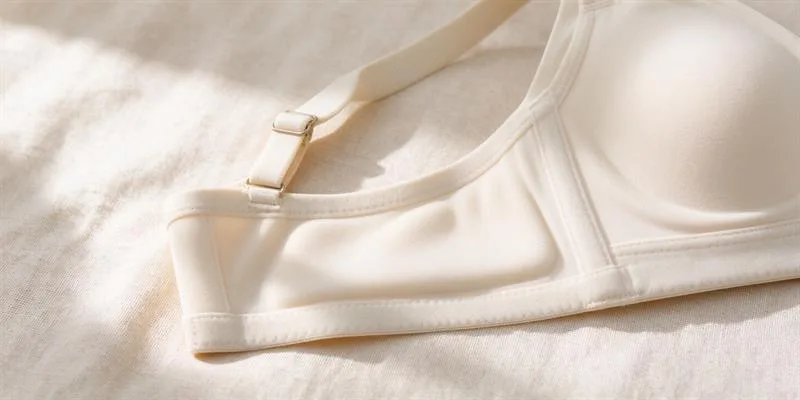
Broad padded strap design. Wider straps with soft foam lining reduce point pressure on shoulders. Adjustable sliders should hold position without constant slipping.
Internal sling support structure. Built‑in side and bottom slings replace the lift function of rigid underwire. These integrated panels cradle breast tissue and maintain stable positioning, avoiding the flat, compressed feel of generic sports bras.
Moderate stretch cup architecture. Cups use controlled stretch fabric to maintain shape, avoiding over‑stretch materials that force straps to carry extra load.
Secure side wings. Extended side wings improve lateral containment and prevent the bra from migrating upward, which would force the straps to tighten and increase shoulder pressure.
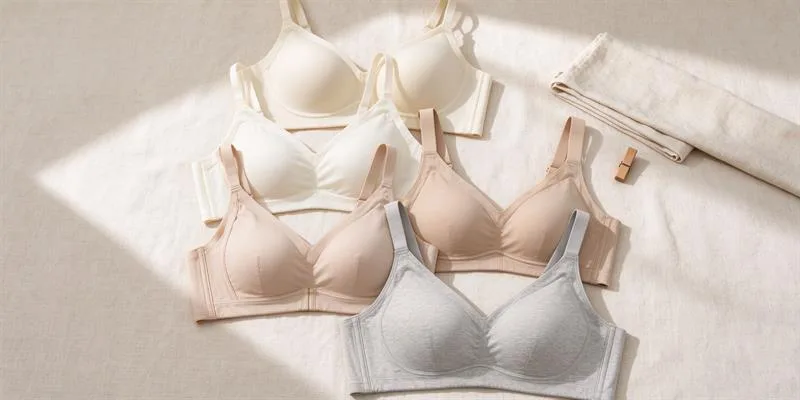
Three core silhouettes fit this requirement and can be grouped in your comfort‑support collection:
Wire‑free contour support bra. Moulded cups deliver a smooth silhouette under workwear and blouses. Suitable for office daily wear, this is the highest‑volume SKU for this customer group.
Soft seamed wire‑free bra with internal slings. Offers more natural shaping than moulded styles, preferred by shoppers who dislike solid foam cups.
High‑support everyday bralette with reinforced band. Lighter aesthetic, targeted for casual wear, with lower support grade for smaller bust sizes.
Standard compression sports bras are not ideal for this audience. They rely on squeezing tissue instead of cradling support, which creates the unnatural, restrictive fit many end users reject. Pure strapless styles remain a secondary option only for occasion use, as they cannot match the all‑day stability needed for regular work shifts.
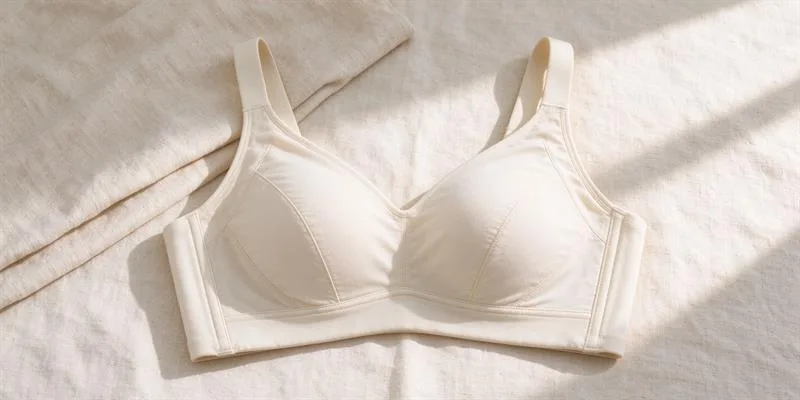
Underband sections use low‑stretch power fabric to maintain consistent tension. Cup fabrics balance softness and structural hold; excessive spandex content will degrade support over repeated washes. During fit validation, conduct extended wear simulation. Check for strap slippage, underband ride‑up, breast sagging and shoulder pressure feedback. Products that retain stable support without strap tightening after hours of wear will have lower return rates and better repeat purchase potential. Frontend product descriptions should emphasise band‑led support and pressure relief, rather than marketing these styles as “soft but unsupportive”. This helps shoppers set correct expectations.
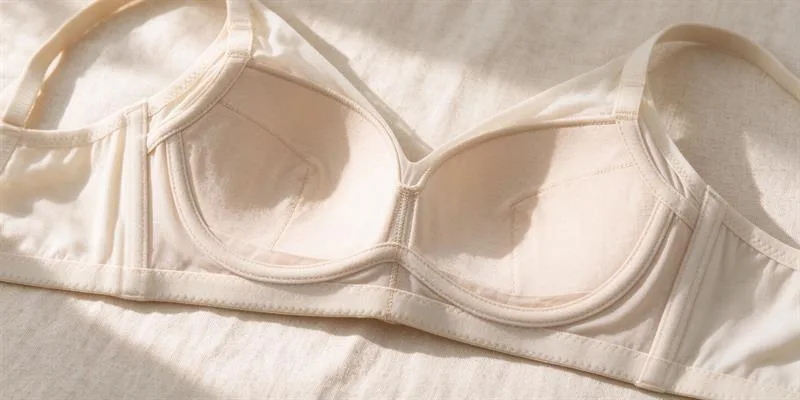
Position these styles as workwear‑friendly support bras, separated from basic lounge bralettes and high‑compression sports bras. Include clear sizing guidance, reminding customers that a snug underband is critical to achieve the load‑sharing effect. Offer incremental sizing across band and cup ranges. Small‑batch trial orders are recommended to test market response before bulk replenishment.
1. What part of the bra carries most support to reduce shoulder pain?
A: A firm, wide underband is the core. Well‑designed wire‑free styles transfer most support load to the ribcage instead of shoulder straps.
2. What is the difference between support wire‑free bras and sports bras?
A: Support wire‑free bras use internal slings to cradle breast tissue for natural shaping. Sports bras typically rely on compression, which many wearers find uncomfortable for all‑day office use.
3. Can wire‑free support bras work for full busts?
A: Yes, provided the design includes reinforced slings, a wide stable band and extended side wings. Minimal, thin bralette structures are not suitable for larger busts.
4. Why do strapless bras not solve this shoulder strain issue for daily work?
A: Strapless styles depend entirely on band friction and silicone grip for hold. Many end users lack confidence in their stability during long active workdays, so they are not a reliable everyday solution.