
Learn the construction criteria, fit testing standards and merchandising strategy for push‑up bras designed for wide‑set busts with mild ptosis, to reduce fit‑related returns and capture niche demand.
A growing subset of lingerie shoppers presents two combined fit characteristics: naturally wide‑set breast placement and weakened skin elasticity following weight fluctuation. Generic push‑up styles, which rely only on padding for volume, often fail to contain lateral tissue, leading to outward splay, insufficient uplift, and loss of shape during wear. This creates consistent return risk and unmet consumer demand for purpose‑built shaping styles. Retailers who add engineered push‑up silhouettes for this bust profile can differentiate their assortment and serve shoppers seeking controlled centering and lifted silhouette.
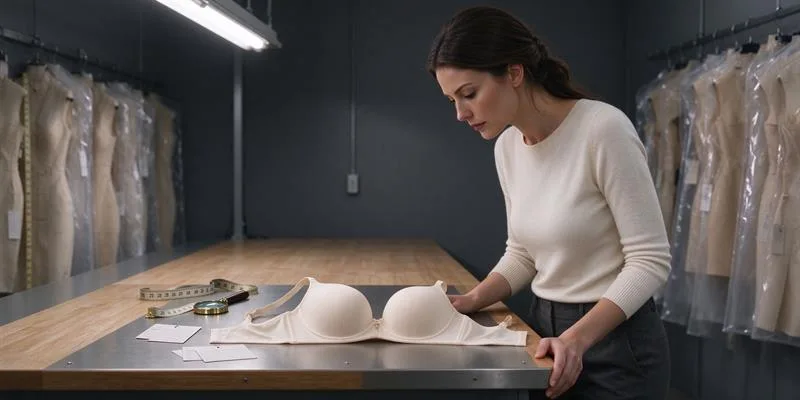
When evaluating supplier samples, buyers should verify these structural features, which drive the fit performance for wide‑set busts with loose skin:
Reinforced side support panels. Power mesh or light boning integrated into side wings delivers lateral containment, guiding breast tissue toward the centre rather than allowing outward migration. This is the primary functional feature, not foam padding.
Low plunge centre gore. A shorter, flexible gore sits flat against the chest wall and avoids floating or gaping, a common failure point on wide frames with broad breast root spacing.
Multi‑section seamed cups with graduated padding. Angled vertical and diagonal seams provide foundational lift for tissue with reduced elasticity. Graduated foam adds projection from the lower cup, avoiding bulky uniform padding that shifts sideways.
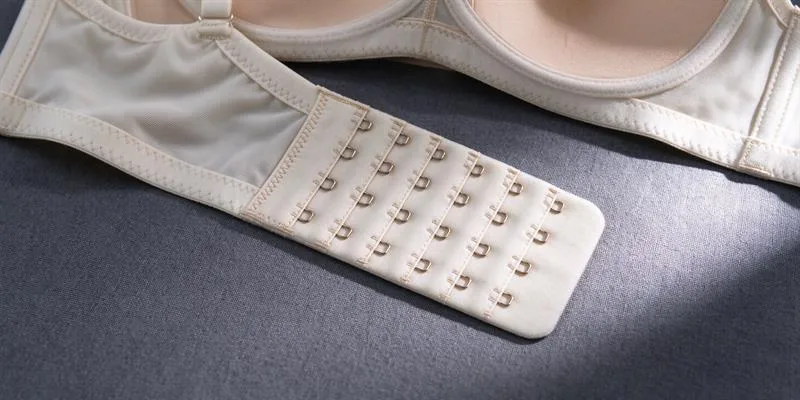
Firm, wide underband with multi‑hook closure. The underband carries the majority of support load. A stable band prevents downward slippage and preserves the centering effect throughout extended wear.
Outer‑mounted strap anchors. Straps attached toward the outer cup edge maintain containment balance and minimise strap slippage during movement.
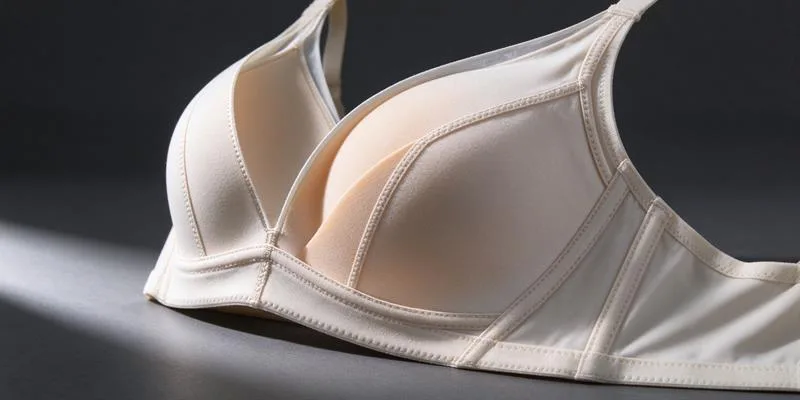
Two main silhouettes fit into this shaping category, suitable for separate merchandising grouping:
Structured plunge push‑up: Optimised for low‑neck apparel and occasion wear. Delivers centering projection and carries higher margin potential for fashion lingerie lines.
Contour push‑up with built‑in side sling: Suited for everyday wear. Smooth cup surfaces reduce visible lines under fitted clothing, with lighter padding for all‑day comfort.
Plain thick‑foam push‑ups without side containment panels are not recommended for this fit group. They tend to push tissue further out and amplify the wide‑set profile.
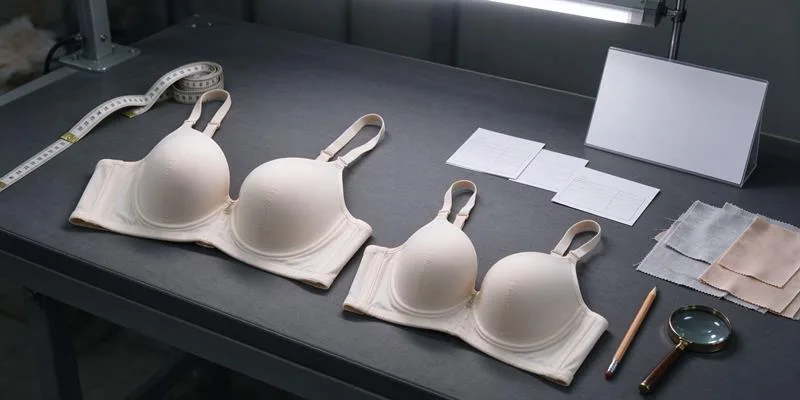
Side support zones require low‑stretch power net, while cup faces use controlled‑stretch microfiber or lace overlay. Suppliers need to match underwire curvature to wider breast root geometry. Fit testing should simulate real wear conditions: assess gore tacking, side wing roll resistance, underarm pressure points, and tissue migration after sustained movement. Consistent sizing across band and cup ranges is critical; incomplete size coverage will limit conversion and increase customer enquiries. Product copy on retail frontends can highlight side containment and structural lift, rather than overemphasising padding, to help shoppers self‑select correctly.
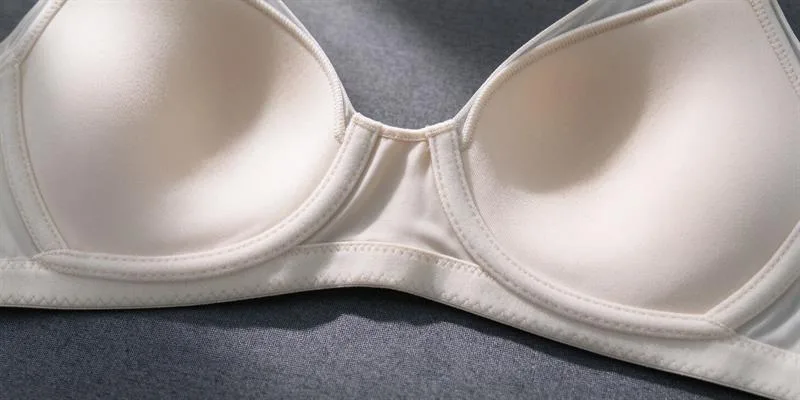
Group these styles within your shaping lingerie sub‑collection, separate from standard push‑up inventory. Clear feature labelling guides end customers and reduces fit‑support workload. Extend size coverage across narrow bands and fuller cups to maximise addressable audience. Buyers can test market response with small‑batch trial orders before committing to larger replenishment runs.
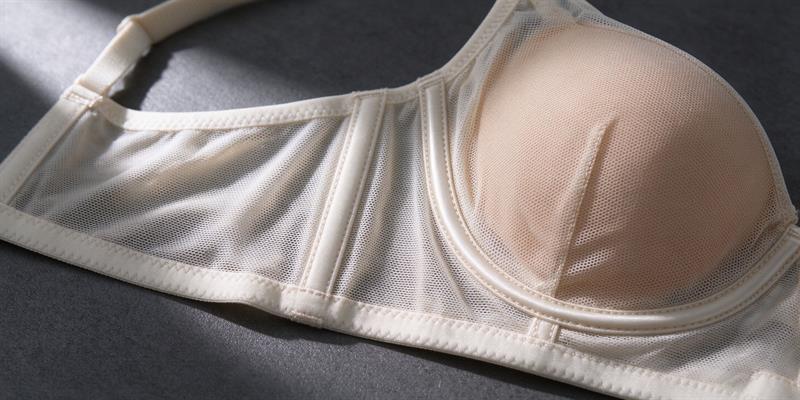
1. Which design feature achieves centering effect for wide‑set busts?
A: Reinforced low‑stretch side panels and angled multi‑part cup seams are the core components. Padding alone cannot resolve lateral splay.
2. Are these styles suitable for busts with loose skin after weight loss?
A: Structured seamed cups paired with a stable underband deliver better long‑term containment. Graduated lower‑cup padding supports tissue without forcing unnatural shape.
3. What centre gore profile should be prioritised during sampling?
A: Low plunge gore is preferred. Tall rigid gores frequently lift away from the chest on wide‑set frames.
4. What common defects require close inspection?
A: Side wing roll, underwire irritation at the underarm, and gradual loss of centering shape after hours of wear are the top failure points to flag with manufacturers.