

A plus size bra manufacturer should be evaluated on more than the number of sizes shown in a catalogue. The important questions are whether the factory can develop the intended fit, grade the pattern responsibly, select suitable materials, sample the range and maintain consistency in production.
A larger size range may require different construction decisions from a smaller range. Band stability, cup depth, strap width, side coverage, closure and fabric recovery should be planned together.

Start with the actual customer and size architecture. Clarify the measurement system, base size, cup range, desired coverage, support level, neckline, band, straps, padding and closure. If the brand serves more than one market, confirm how sizes will be labeled and converted.
Do not assume that simply scaling a smaller pattern will create a good plus size fit. The technical team should review the block, grading increments and construction at representative sizes.
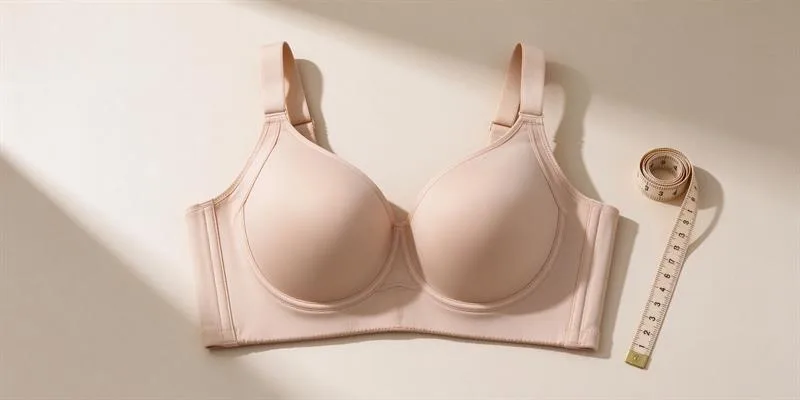
The band should sit securely without causing unnecessary pressure. Elastic width, recovery, back design and closure all influence the result.
A deeper or wider cup may be required for the target fit, but the final shape must still match the product positioning. Side coverage and cup edge transitions should be checked on fit samples.
Straps should be selected for the intended support and comfort target. Their width, adjustability and connection to the cup and back need to work together.
Fabric and elastic recovery affect how the bra behaves after movement and care. The exact material specification should be documented and verified for production.
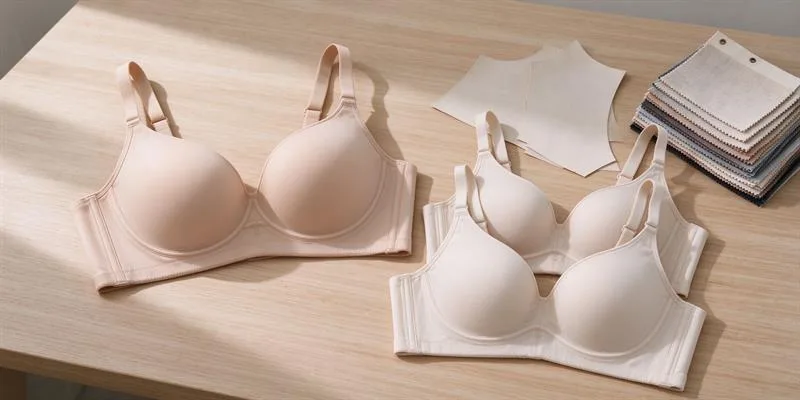
Ask the manufacturer to explain:
Starwin’s site includes a plus size bra category and a custom plus size bra manufacturing page. Brands should use those pages as a starting point, then confirm current sizes, fabrics, samples, order quantities and quality procedures for the specific project.
The terms can overlap, but they do not always describe the same product strategy. “Plus size” may refer to a broader size or band range, while “large cup” may focus on cup volume relative to the band. A brand should define the actual measurements and fit rather than rely on a label.

The difference may involve size range, grading, cup depth, band construction, straps, side coverage and support design. It should be validated through the intended size range.
Yes. A wireless plus size bra can use a stable band, suitable cups, fabric recovery, straps and pattern design for support.
The answer depends on the target market, customer data, construction and validated fit. Plan the range based on a clear size architecture rather than an arbitrary number.
Ask about blocks, grading, sample sizes, materials, quality checks, customization, packaging, order quantities and lead times.
Use accurate measurements, sample representative sizes, record fit comments and verify the approved construction before bulk production.
The right plus size bra manufacturer is a development partner, not only a production source. A clear size strategy, representative samples and documented construction decisions give a brand a stronger foundation for a reliable collection.