

When shopping or sourcing bras online, look beyond the product image. Review the construction, size information, material description, coverage, closure, straps, padding, care instructions and seller or manufacturer details. For a consumer, this reduces fit surprises. For a brand buyer, it helps separate a reference product from a production-ready specification.
Starwin’s website serves both as a lingerie product catalogue and a starting point for customized manufacturing discussions. Buyers can use the following checklist before contacting a supplier.

A useful online product page should answer:
If a page does not answer these questions, ask for the missing information instead of assuming it.

A brand can use online product pages for inspiration, but the final sourcing brief should be written in technical and commercial terms.
Record the product category, construction, material, size range, customization options, sample process, packaging, communication speed and confirmed commercial terms. Keep confirmed facts separate from assumptions. For example, a product image may show a wide strap, but it does not prove the exact strap width or support level.
Starwin lists seamless, lace, plus size, sports, nursing and T-shirt bra categories. Explore the bra product catalogue and custom lingerie service before sending a request. Confirm current MOQ, sample lead time, fabric availability and shipping terms directly.
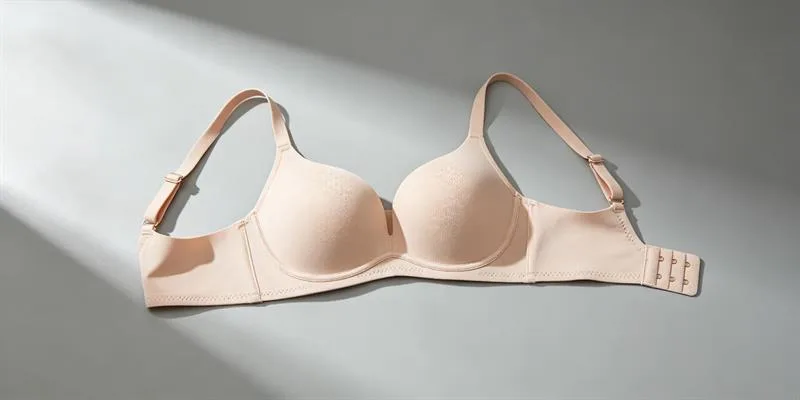
Send a sketch or reference image, target customer, size range, desired fabric, color standards, logo and label requirements, packaging direction, estimated quantity and delivery market. Add the features that cannot change, such as nursing access, a specific cup shape or a wire-free construction.
This makes online communication more efficient and helps the supplier identify questions early.
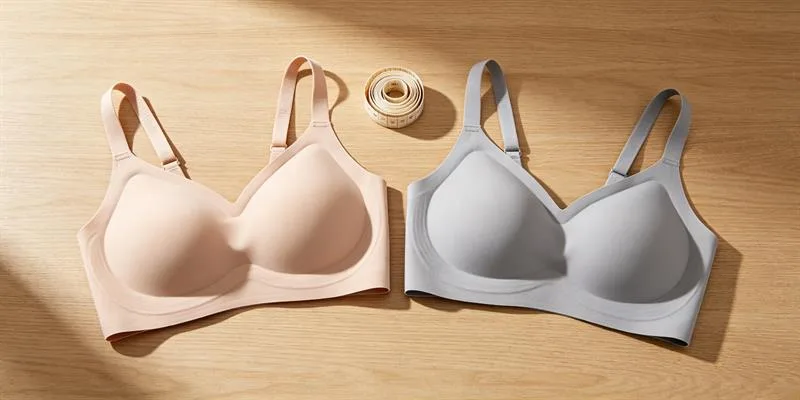
It can be, if the seller provides clear size, material, return and product information. Buyers should use the seller’s own measurement guidance rather than guessing from a familiar size.
Compare construction, size range, materials, fit information, customization, sample process and confirmed commercial terms—not only the image or headline price.
Some manufacturers provide customization for design, fabric, colors, labels or packaging. Ask which options apply to the exact product and order.
A supplier may sell or source products, while a manufacturer may produce or develop them. Verify the actual role, capabilities and responsibilities before ordering.
Use reference products to communicate construction goals, then develop your own design, branding, materials and technical details. Confirm design ownership and confidentiality terms with the manufacturer.
Bras online can be a useful source of product information, but strong sourcing decisions require more than browsing. Turn the product idea into a brief, compare suppliers using the same criteria and validate the final design through samples.