

A padded bra uses an added layer or insert inside the cup to influence coverage, shaping, opacity or silhouette. Padding can be fixed, removable, thin, graduated or combined with a molded cup. The correct choice depends on the product’s purpose and the wearer’s expectations.
For brands, “padded bra” is not a complete technical specification. A manufacturer needs to know the intended shape, amount of coverage, cup depth, fabric direction, size range and target price before sampling.
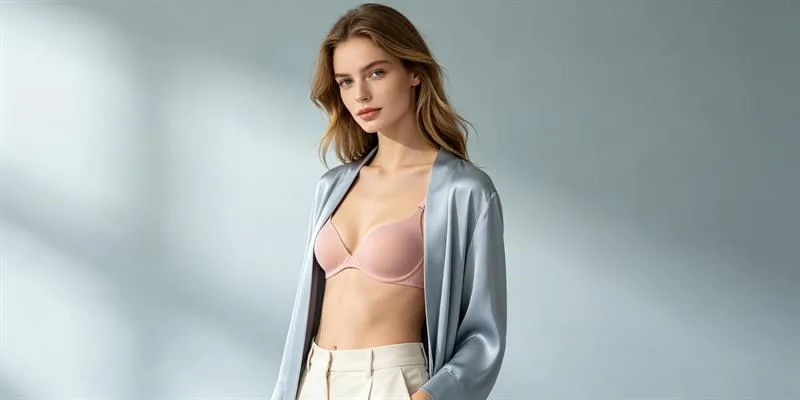
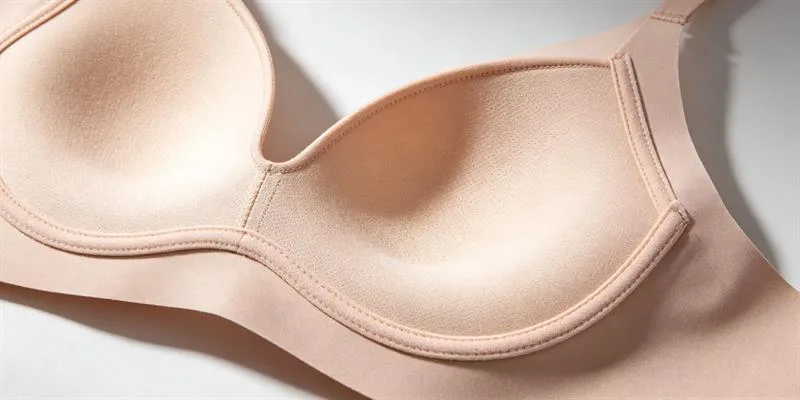
Thin molded cups can create a smooth appearance under clothing while keeping the product visually simple. The result depends on the mold, cup depth, fabric cover, edge treatment and grading.
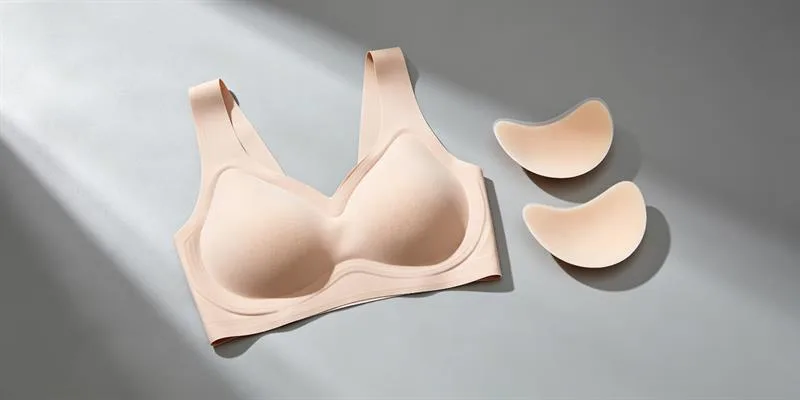
Removable pads allow the wearer to change the shape or level of coverage. The design needs a secure opening, suitable pad pocket and a construction that remains comfortable after washing.
Push-up designs use padding placement and cup shape to create a more pronounced lift or cleavage effect. The marketing description should match the actual construction and should be verified on fit samples.
A bralette can use light padding for opacity and modest shaping without becoming a highly structured push-up product. This can be suitable for soft fashion or everyday collections.
A padded bra development brief should cover:
These decisions affect comfort, appearance, cost and production feasibility. It is better to identify them before sampling than to revise the product after bulk materials have been ordered.

Neither option is automatically better. Product positioning should follow the target customer and wearing occasion.
Review whether the manufacturer can discuss cup construction, mold development, pad options, grading, fit samples and quality checks. Starwin’s catalogue includes lace, molded, push-up and full-cup bra examples, while its custom bra manufacturing service is intended for customized projects. Browse the bra category first, then provide a project-specific brief.
No. Padding can provide opacity, smoothness, modest shaping or comfort. The effect depends on thickness, placement, cup shape and the rest of the construction.
A padded bra describes the presence of padding or an insert. A molded cup describes how the cup is formed. A product can be both padded and molded, but the terms are not identical.
Yes, if the design includes a suitable pocket and opening. The details should be confirmed during sampling and wear testing.
Define the desired silhouette, review cup volume and edge transitions, and test the sample on the intended size range. Avoid relying only on a product image.
The website presents custom bra manufacturing and product examples with different cup constructions. Confirm the current customization scope, materials, sizes and order terms directly with Starwin.
A padded bra should be developed as a complete system of cup shape, padding, fabric, band and fit—not as a single foam component. Clear specifications and sample testing help brands create a product that matches its intended promise.