How to Find Original Design Sources for Lingerie Creation
In today’s highly competitive lingerie market, originality is no longer optional—it is essential. Whether you are an independent designer, a small brand founder, or someone planning to develop a private-label lingerie line, one question inevitably arises: where do original design ideas actually come from?
Many people assume that original design means creating something completely new from nothing. In reality, originality in lingerie design is the result of observation, research, reinterpretation, and thoughtful execution. This article explores how to find authentic design sources, build a sustainable inspiration system, and transform ideas into truly original lingerie designs.
Understanding What “Original Design” Really Means
Original design does not mean ignoring everything that already exists. On the contrary, it requires a deep understanding of existing products, trends, construction techniques, and consumer needs. Originality lies in how you interpret and combine influences, not in isolating yourself from them.
In lingerie design, originality often shows up in subtle ways: Innovative silhouettes or proportions New ways of combining materials Unexpected functional details A unique balance between aesthetics and comfort
True originality is the result of intentional design decisions supported by knowledge, not accidental novelty.
Core Sources of Lingerie Design Inspiration
1. Visual Research Beyond Product Photos Many designers limit their research to browsing lingerie photos. While this can be useful, it is not enough to build original work. To go deeper, consider expanding your visual research into multiple categories:
Fashion photography and editorial styling Historical garments and vintage lingerie Architecture, sculpture, and industrial design Nature-inspired forms, textures, and patterns
By studying shapes, lines, and structures outside of lingerie, designers can translate non-obvious ideas into fresh garment concepts.
Creating mood boards that mix lingerie with unrelated visuals helps break the habit of copying existing styles too closely.
2. Studying Established and Emerging Brands Analyzing brands is not about imitation—it’s about understanding design logic. When studying a brand, ask:
What problem does this design solve? How does structure support the aesthetic? What materials are consistently used, and why? How does the brand balance comfort, support, and visual appeal?
Looking at both luxury heritage brands and modern independent labels can reveal different design philosophies. Over time, this analysis sharpens your ability to recognize patterns and gaps in the market—both of which are fertile ground for original ideas.
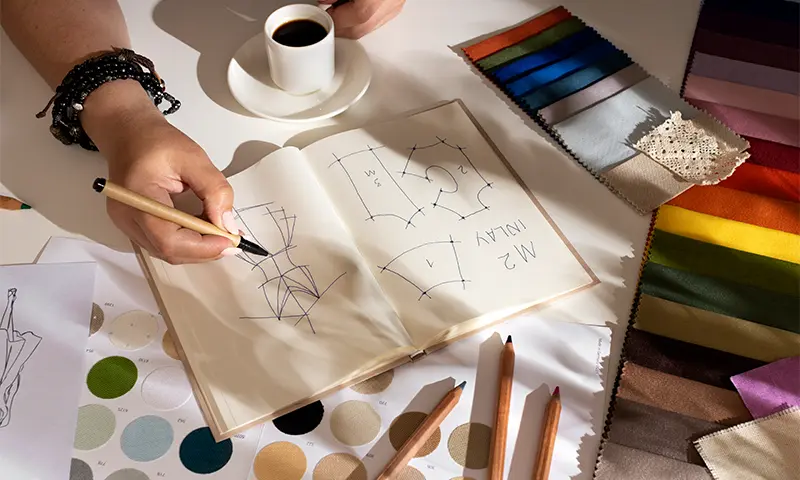
3. Fabric and Material Exploration Fabric is one of the most powerful drivers of originality in lingerie. A single material choice can completely change how a design looks, feels, and functions.
Designers should spend time learning: Stretch behavior and recovery Sheerness, weight, and drape Skin sensitivity and comfort factors Durability and wash performance
Sometimes originality comes not from inventing a new shape, but from using a familiar shape with an unexpected material. Keeping a fabric library—physical or digital—can inspire designs long before sketching begins.
Technical Knowledge as a Design Source
1. Pattern Making and Construction Understanding how lingerie is constructed unlocks creative freedom. When designers rely only on visual references, they are limited by what they can see. When they understand structure, they can create what doesn’t yet exist.
Learning about: Bra cup construction Wire placement and channeling Strap angles and tension distribution Seam placement for shaping
allows designers to manipulate form intentionally rather than guessing.
Even using basic patterns as learning tools can be valuable. The key is modification, not duplication—changing proportions, combining elements, or altering functionality to suit a new concept.
2. Fit Testing as a Creative Process Fit is not just a technical requirement—it is a design opportunity. Adjustments made during fitting often lead to unexpected visual outcomes or functional improvements.
For example: A support issue may inspire a new panel design A comfort problem may lead to a softer construction method A size-grading challenge may result in a more inclusive design system
Treating fit testing as part of the creative process, rather than a final correction step, often results in more thoughtful and original products.
Building Your Own Design Resource System
1. Creating a Personal Inspiration Archive Rather than relying on random searches, designers benefit from building a long-term inspiration archive. This can include:
Sketches and rough ideas Notes on garments you’ve worn or examined Screenshots of interesting construction details Fabric swatches and trim samples
Over time, this archive becomes uniquely yours. When you revisit it, patterns begin to emerge—preferences, recurring ideas, and personal design language.
2. Observing Real-Life Wear and Behavior Some of the best design ideas come from everyday wear experiences:
Where does lingerie shift during movement? Which areas cause discomfort after long wear? How do different body types interact with the same design?
Paying attention to these details can inspire designs that are not only original, but genuinely better. Many successful lingerie innovations begin with a simple question: “Why is this always done this way?”
Navigating the Line Between Inspiration and Imitation Designers often worry about accidentally copying existing designs. The key difference lies in intent and transformation.
Ask yourself: Have I changed the structure, or only the decoration? Does this design solve a problem differently? Can I explain the reasoning behind each design choice?
If a design is driven by your own logic and problem-solving process, it is far more likely to be original—even if it shares visual similarities with existing products.
Originality is not about avoiding influence; it is about owning your design decisions.
From Concept to Finished Design Turning inspiration into a tangible product requires a structured workflow:
Research & Observation Collect inspiration from diverse sources and identify a clear direction.
Concept Development Define the purpose, target wearer, and key features of the design.
Sketching & Technical Planning Translate ideas into sketches and construction plans.
Prototype & Sampling Create test samples to evaluate fit, comfort, and aesthetics.
Refinement & Finalization Adjust details based on wear tests and material behavior.
Following this process ensures that designs are not just visually interesting, but also wearable and production-ready.
Why Original Design Matters More Than Ever
In a market saturated with similar-looking products, originality is what builds long-term brand value. Customers may be attracted by appearance, but they stay loyal because of fit, comfort, and thoughtful design.
Original design: Differentiates your brand Reduces reliance on price competition Builds trust and credibility Creates intellectual and creative assets
For lingerie in particular—an intimate, personal product—authentic design resonates deeply with consumers.
Conclusion
Finding original design sources for lingerie is not about discovering a single secret website or reference. It is about developing a mindset of curiosity, analysis, and experimentation. By combining visual research, technical knowledge, material exploration, and real-world observation, designers can create work that feels both fresh and intentional.
Originality is not a moment—it is a process. And with the right approach, it becomes a sustainable part of your design practice rather than a constant struggle.