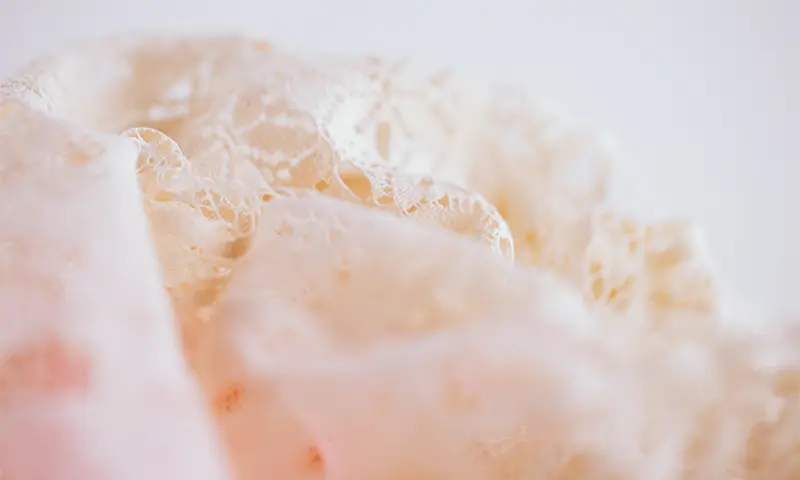
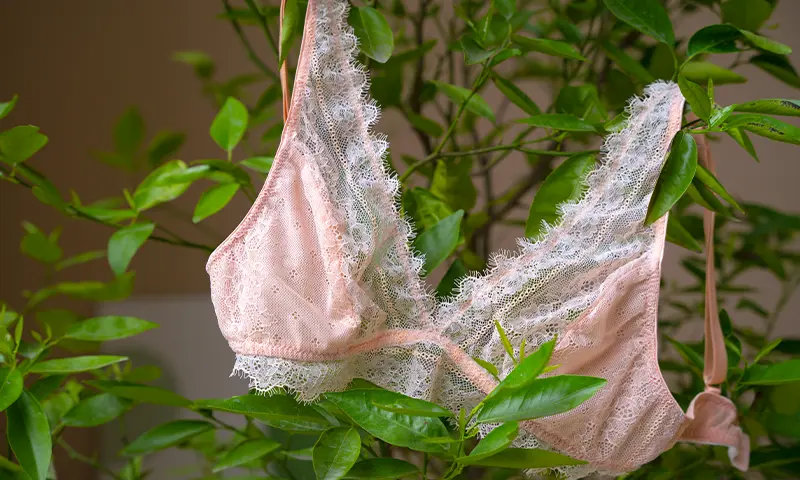
Lace lingerie has long been one of the most iconic elements in intimate apparel design. Delicate, lightweight, and visually captivating, lace adds elegance and sensuality to bras, panties, and bodysuits alike. Yet despite its undeniable beauty, many wearers share a common frustration: lace tends to clump, wrinkle, or bunch up over time, disrupting both comfort and appearance.
This issue is not a rare flaw limited to low-quality products. In fact, even well-made lace lingerie can develop uneven textures, especially after repeated wear or washing. To truly understand why this happens—and how to minimize it—we need to look beyond surface-level complaints and examine the nature of lace itself.
This article explores the structural characteristics of lace, the most common reasons it clumps, how it affects everyday wear, and what consumers can do when choosing, wearing, and caring for lace lingerie.
1. Lace as a Material: Elegant but Structurally Delicate Lace is fundamentally different from solid fabrics such as cotton jersey, microfiber, or woven textiles. Most modern lace used in lingerie is made from nylon, polyester, and elastane, intricately knitted or woven into decorative, openwork patterns.
While this construction creates visual lightness and breathability, it also introduces several inherent weaknesses:
Fine Fibers and Open Structure Lace is composed of thin threads arranged in complex patterns with significant negative space. Unlike dense fabrics, these fibers can shift more easily under pressure, friction, or repeated stretching.
Limited Structural Support On its own, lace provides very little structural stability. That’s why it’s often layered over lining fabrics or combined with power mesh. When lace is used as a primary surface without adequate reinforcement, it is more likely to deform.
Sensitivity to Washing and Storage The same delicacy that makes lace feel luxurious also makes it vulnerable to twisting, tangling, and distortion—especially when washed improperly or stored without care.
In short, lace is designed to be beautiful, not indestructible. Understanding this trade-off is the first step toward managing expectations.
2. Why Does Lace Lingerie Clump? The Most Common Causes Lace clumping or bunching rarely stems from a single issue. Instead, it usually results from a combination of design, fit, movement, and maintenance factors.
2.1 Design and Pattern Placement Lace patterns vary in density. Some areas may be more rigid, while others are softer and more elastic. When these zones are not strategically placed or supported, uneven tension can develop during wear.
Common design-related contributors include: Flat pattern cutting that does not fully accommodate body curves Lace panels stretched across high-movement areas without stabilization Decorative lace edges that lack elastic recovery
Over time, these areas may lose their shape, causing the fabric to gather or fold.
2.2 Incorrect Sizing and Fit Fit plays a critical role in how lace behaves on the body.
Too small: Lace is overstretched, leading to stress at the edges and eventual distortion Too large: Excess fabric has nowhere to sit smoothly and begins to wrinkle or bunch Poor band or strap tension: Uneven weight distribution shifts pressure onto lace sections
Because lace does not “bounce back” as effectively as sturdier fabrics, small fit issues become more visible.
2.3 Uneven Elasticity Across the Garment Many lace lingerie styles combine multiple materials: lace, mesh, elastic trims, and lining fabrics. If these components stretch and recover at different rates, the lace may begin to gather as the garment moves with the body.
This is particularly noticeable in: Longline bras Lace cup bras without padding Lace-backed panties
3. How Lace Clumping Affects the Wearing Experience Beyond aesthetics, clumping lace can subtly impact comfort and confidence.
Advantages of Lace Lingerie Visually refined and feminine Lightweight and breathable Often associated with premium or romantic designs
Common Wearability Concerns Uneven texture under clothing Slight stiffness where lace patterns are dense Reduced comfort during long wear or active movement
While lace excels in elegance, it is generally better suited for everyday wear rather than high-impact or performance-focused use.
4. Washing and Care: A Major Factor in Lace Longevity Improper care is one of the most overlooked reasons lace loses its shape.
Hand Washing Is Always Best Gentle hand washing minimizes friction and fiber stress:
Use mild, lingerie-specific detergent Soak briefly, then gently press clean Avoid rubbing or twisting lace areas If machine washing is unavoidable, a mesh laundry bag and delicate cycle are essential.
Avoid Heat and Aggressive Drying Heat weakens synthetic fibers and elastic components:
Never wring lace lingerie Lay flat or hang to air dry Avoid direct sunlight and tumble drying
Thoughtful Storage Matters Storing lace items flat or neatly folded prevents unnecessary tension. Avoid stacking heavy garments on top of lace pieces.
5. How to Choose Lace Lingerie That Performs Better While no lace garment is completely immune to clumping, smart selection significantly reduces the risk.
Look at Fiber Composition Lace with a balanced elastane content offers better recovery and shape retention. Ultra-stiff lace may look beautiful but often ages poorly.
Consider Construction, Not Just Appearance Lace combined with lining or mesh panels performs better Structured seams help maintain shape Reinforced edges prevent rolling and gathering
Always Evaluate Fit in Motion When trying on lace lingerie: Raise your arms and move naturally Check for puckering at the edges Ensure the band and straps provide stable support
6. When Lace Isn’t the Right Choice: Alternative Fabrics For those who prioritize comfort or smoothness over decoration, other materials may be better suited:
Modal or Cotton Blends: Soft, breathable, and stable Microfiber: Smooth under clothing, minimal texture Seamless or Bonded Fabrics: Ideal for everyday wear and layering
These fabrics offer consistency and ease, though they may lack lace’s visual drama.
Conclusion: Appreciating Lace with Realistic Expectations Lace lingerie occupies a unique place in intimate apparel—it represents beauty, craftsmanship, and emotion. However, its tendency to clump or wrinkle is not a flaw of poor design alone, but a natural result of its delicate structure.
By understanding how lace behaves, choosing thoughtfully designed pieces, ensuring proper fit, and caring for garments correctly, wearers can enjoy the elegance of lace while minimizing its drawbacks.
Lace does not need to be perfect to be beautiful. It simply needs to be understood.