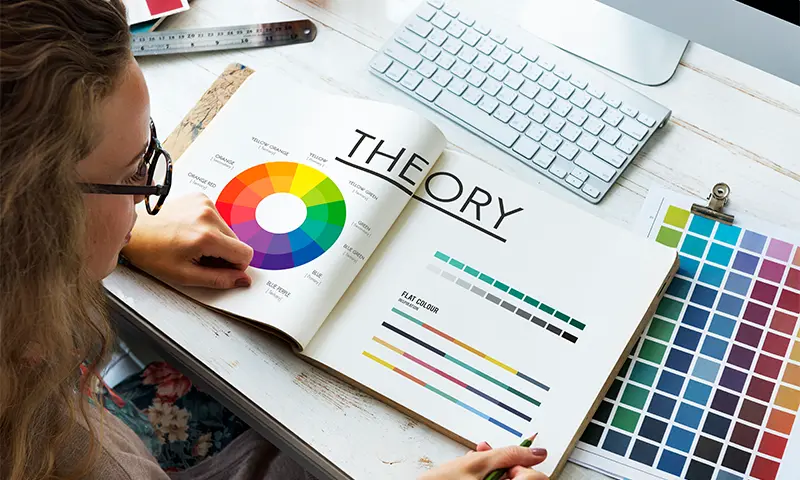
In the lingerie industry, color is far more than an aesthetic choice. It is a strategic tool that influences consumer perception, emotional connection, brand identity, and ultimately, sales performance. For years, black, white, and red have dominated lingerie collections worldwide. While these classics remain essential, relying on them alone increasingly limits growth opportunities.
As consumer preferences evolve and markets become more segmented, a growing number of colors—often overlooked or underutilized—are proving to have strong commercial potential. For brands, wholesalers, and sourcing managers, understanding these “underrated” colors can unlock new revenue streams and strengthen product differentiation.
This article explores emerging color opportunities in lingerie from a B2B perspective, examining market demand, consumer psychology, and practical sourcing strategies.
1. Why the Lingerie Market Needs More Color Diversity
Traditional lingerie color strategies are built around safety and predictability: Black represents sophistication, versatility, and timeless appeal White symbolizes cleanliness and practicality, especially for everyday wear Red conveys passion and is often tied to seasonal or promotional sales
These colors continue to perform well in core collections. However, overreliance on them creates several challenges: Visual fatigue among consumers Limited differentiation between competing brands Missed opportunities in emerging lifestyle-driven and emotion-based purchasing trends
Modern lingerie buyers—especially younger demographics—view lingerie as an extension of personal expression rather than a purely functional garment. Color now plays a central role in how a product communicates mood, confidence, and individuality.
For B2B buyers, this shift signals a clear opportunity: expanding color offerings strategically can enhance brand value without abandoning proven bestsellers.
2. Underrated Lingerie Colors with High Market Potential
Through industry observation, consumer feedback trends, and evolving fashion influences, several color families stand out as commercially underexplored.
2.1 Muted Jewel Tones: Luxury Without Excess Colors such as cobalt blue, sapphire, emerald green, and deep teal consistently attract attention yet remain underrepresented in mass lingerie assortments.
Why they work: High visual impact without relying on traditional “sexy” cues Strong association with premium quality and sophistication Suitable for lace, satin, and structured designs
From a B2B standpoint, jewel tones are ideal for: Limited-edition collections Mid-to-high-end brand positioning Statement pieces that elevate overall product lines
Unlike seasonal fashion colors that fade quickly, jewel tones have lasting appeal and strong resale value when positioned correctly.
2.2 Bright and Playful Colors: Emotion-Driven Demand Bright shades such as sunshine yellow, aqua, turquoise, and vivid blue are often underestimated in lingerie manufacturing due to perceived niche demand. However, these colors are gaining traction as consumers increasingly seek joy, energy, and emotional uplift from their clothing.
Key advantages: Strong appeal to Gen Z and younger millennial consumers Ideal for bralettes, leisure lingerie, and summer collections Highly effective in social media-driven marketing
For brands targeting lifestyle-oriented markets, playful colors can significantly improve engagement and brand memorability.
From a sourcing perspective, these colors work best when introduced in controlled quantities—capsule collections or seasonal drops—to test demand while managing inventory risk.
2.3 Soft Neutrals and Subtle Pastels: Quiet Sophistication Soft tones such as dusty rose, pale lavender, ice blue, and greige occupy a unique position between classic neutrals and fashion colors.
They appeal strongly to consumers seeking: Comfort-focused lingerie Minimalist or romantic aesthetics Alternatives to stark black or plain nude shades
These colors perform particularly well in: Bridal and honeymoon collections Everyday premium basics Markets where understated elegance is preferred
For B2B buyers, soft neutrals offer excellent versatility and often achieve higher long-term sell-through rates than trend-driven colors.
3. The Psychology Behind Color Choices in Lingerie
Color influences perception before fit, fabric, or price comes into play. In online purchasing especially, color is often the first emotional trigger.
Research and consumer behavior analysis suggest: Bright colors evoke positivity, energy, and confidence Deep jewel tones convey strength, individuality, and luxury Soft muted colors promote calmness, comfort, and intimacy
These emotional responses directly affect click-through rates, conversion rates, and brand recall. For B2B decision-makers, understanding this psychological impact helps guide color selection beyond personal preference or historical sales data.
4. Practical Color Strategy for B2B Buyers and Brands
4.1 Balance Core Colors with Innovation A proven approach is the 70–20–10 model: 70% core colors (black, white, nude, red) 20% secondary colors (soft neutrals, seasonal pastels) 10% experimental or standout colors (jewel tones or brights)
This balance maintains sales stability while allowing room for growth and differentiation.
4.2 Use Data to Guide Color Decisions Brands and wholesalers should analyze: Sell-through rates by color and size Color performance across different markets Seasonal demand fluctuations
Combining internal sales data with trend forecasting reduces guesswork and improves product planning accuracy.
4.3 Collaborate with Manufacturers Early Color performance depends heavily on fabric type, dye quality, and finishing processes. Early collaboration with manufacturers allows brands to: Ensure color consistency across styles Test colorfastness and wash durability Develop exclusive colorways that enhance brand identity
This is especially important for saturated or unconventional colors, where quality differences are more noticeable.
4.4 Adapt Colors for Different Markets Color preference varies significantly by region: North American and European markets often embrace deeper tones and bold contrasts Asian markets may favor softer, lighter, and pastel shades Middle Eastern markets tend to prefer rich, elegant colors with premium textures
Localized color planning helps maximize acceptance and minimize unsold inventory.
5. Turning Color Innovation into Commercial Value
Color innovation does not require radical change. Even subtle shifts—introducing one new shade per season—can refresh collections and attract new customers.
For B2B stakeholders, color strategy directly impacts: Brand differentiation Product lifecycle length Customer loyalty and repeat orders
When aligned with brand positioning and supported by reliable manufacturing, underrated colors can become top-performing SKUs rather than risky experiments.
Conclusion: Color as a Strategic Growth Lever In today’s lingerie market, color is no longer a secondary design detail—it is a strategic growth lever. Brands that move beyond default color palettes position themselves to meet evolving consumer expectations and stand out in increasingly competitive markets.
For manufacturers, wholesalers, and brand owners alike, recognizing the potential of underrated colors means unlocking new ways to create value, tell compelling brand stories, and drive sustainable growth.
By approaching color selection with intention, data, and creativity, lingerie brands can transform overlooked shades into powerful commercial assets.