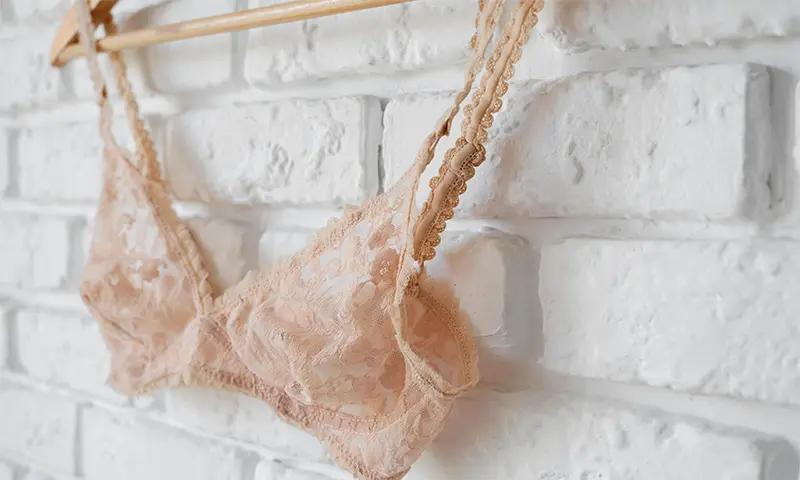
Sheer lingerie occupies a unique space in the lingerie world. It is lightweight, sensual, and visually captivating—yet often criticized for being fragile or overpriced. Many consumers notice that sheer lingerie pieces with similar appearances can vary drastically in price and durability. Understanding this contrast requires looking beyond surface impressions and into the materials, structure, and design intentions behind sheer lingerie.
1. The Nature of Sheer Fabrics
Sheer lingerie is designed to be light and transparent. Materials such as mesh, tulle, and lace use open-weave constructions with fine yarns and wider spacing. This creates breathability and visual allure but naturally reduces resistance to friction and tension.Delicacy, in this case, is not a flaw—it is an inherent characteristic of the fabric.
2. Not All Sheer Fabrics Are the Same
Although sheer fabrics may look similar, their quality can differ significantly.
Nylon mesh tends to be softer and more skin-friendly
Polyester mesh is firmer and more affordable but less refined
Luxury lace and tulle use ultra-fine yarns and complex techniques, enhancing beauty at the cost of strength
Thread thickness, elasticity, and weave density all directly affect comfort, durability, and price.
3. Does a Higher Price Mean Better Durability?
Not necessarily.Higher-priced sheer lingerie often reflects:
Superior fabric feel
More intricate design
Greater attention to detail
Brand and aesthetic value
However, extreme lightness and transparency may reduce durability, regardless of price. Construction quality—such as reinforced stress points and balanced elasticity—plays a more decisive role than cost alone.
4. What Is the True Value of Sheer Lingerie?
Sheer lingerie is not purely functional. Its value lies in:
Sensory experience
Visual impact
Emotional and aesthetic expression
Well-made sheer lingerie offers elegance, comfort, and confidence rather than long-term wear resistance.
5. How to Choose Sheer Lingerie Wisely
To balance beauty and practicality:
Check fiber composition (nylon often outperforms polyester)
Examine stitching and reinforced areas
Avoid overly fragile designs if durability matters
Rotate wear and handle with care
Use gentle washing methods
Conclusion
Sheer lingerie is delicate by design. Its fragility reflects intentional choices in fabric and structure, not necessarily poor quality. When understood and cared for properly, sheer lingerie becomes less about longevity and more about refined, intentional wear—where beauty and experience take center stage.