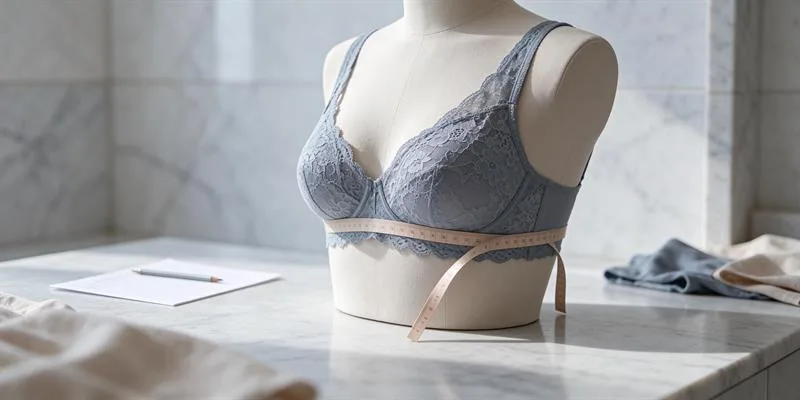

Meta Description: Understand the widespread issue of misfitted bras among consumers, learn fit education frameworks and merchandising strategies to help shoppers find their correct size and improve satisfaction.
A large share of lingerie consumers wear incorrectly sized bras for years, without recognising that discomfort and unflattering silhouette stem from poor fit rather than their body shape. Many buyers select bra sizes by guesswork instead of standard measurement, a habit often formed during adolescence when first purchasing lingerie. Consumers in this group commonly experience a consistent set of fit issues: unstable slipping straps, uneven tightness, cup overflow or unwanted gapping, and persistent shoulder soreness. Over time, these wearers normalise discomfort and attribute unsatisfactory shaping to their body, which creates a barrier to repeat purchases and increases product return rates. This unmet need represents a clear commercial opportunity for lingerie retailers. By integrating accurate bra-fit guidance into product pages and assortments, brands can build trust, lower fit-related returns and nurture long-term customer loyalty.
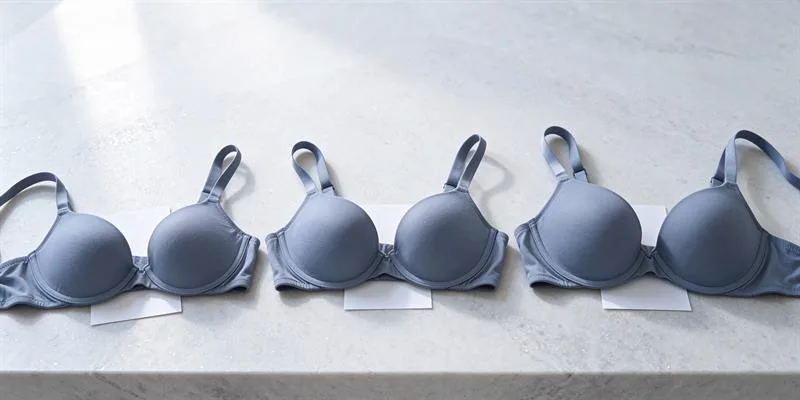
The core principle to highlight is the interdependent relationship between band size and cup volume. A common industry observation is that most consumers select an overly loose band paired with an undersized cup. The underband is the primary support structure of a bra; a secure, properly fitted band takes weight away from shoulder straps and delivers stable positioning. Standard home measurement workflows include two simple steps: measuring snugly under the bust for band size, and measuring across the fullest part of the bust. The difference between these two readings determines cup size. Many shoppers feel surprised when their calculated size differs drastically from what they have worn habitually. For example, consumers may hesitate to order smaller band sizes with larger cups, as the labelling feels unfamiliar. Clear educational content helps shoppers overcome this psychological hesitation.

Retailers can group fit-friendly styles into dedicated collections, prioritising designs that perform well for first-time wearers discovering their true size. Recommended silhouettes include structured contour bras, supportive wire-free styles and side-support shaping bras, all with consistent sizing grading. Product copy should avoid aesthetic-only messaging. Add structured fit notes, size charts and visual fit reference guides on listing pages. Fit guidance can explain common warning signs: riding back band, strap slippage, breast spillage, cup gapping and shoulder fatigue. Merchants can also deploy community-focused content to invite real customer fit stories. Authentic testimonials help new shoppers recognise their own discomfort symptoms and become more willing to re-measure and re-select sizes. This soft education approach outperforms purely technical instructions for conversion.
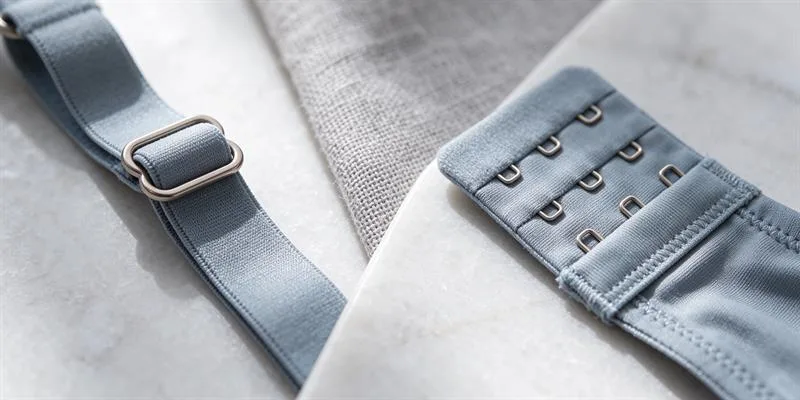
When sourcing inventory, verify size consistency across the full size run. Inconsistent grading between band and cup is one of the top causes of customer disappointment. Request factory samples across multiple sizes to check band elasticity, cup seam construction and strap anchor stability. Prioritise styles with adjustable straps and multi-hook closures, which add flexibility for minor ribcage measurement fluctuation. For new fit-focused collections, small trial orders are recommended before mass replenishment, to validate market feedback on sizing accuracy.
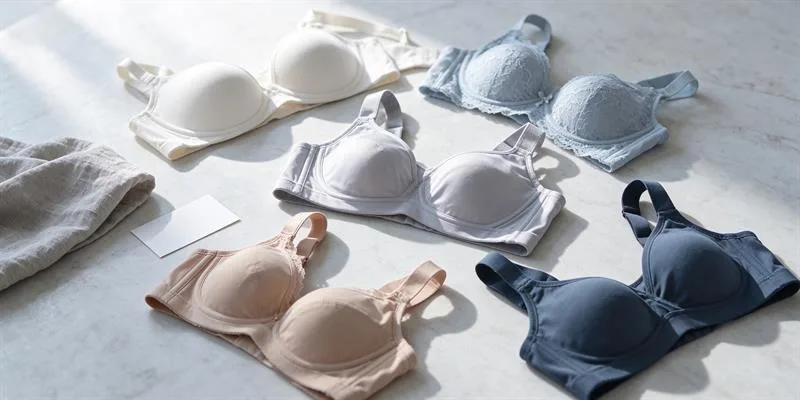
Most shoppers guess sizes instead of measuring. Many misunderstand that band and cup sizes work together, and they habitually choose a looser band with a smaller cup.
Slipping straps, back band riding up, cup spillage or gaping, underwire digging and persistent shoulder aches are typical signs of poor fit.
The underband carries the majority of support weight. A properly fitted band stays anchored on the ribcage and reduces pressure placed on shoulder straps.
Publish accurate size charts, add bra-fit educational content, maintain consistent sizing grading and add real customer fit feedback on product pages.