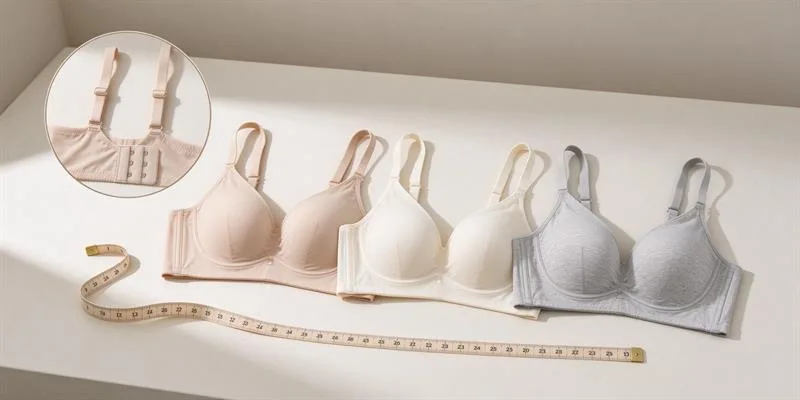

A custom bra manufacturer helps a brand turn a product concept into a repeatable garment. The work may include design interpretation, material selection, pattern development, sampling, grading, customization, quality checks, packaging and production coordination. The exact scope differs by factory and project, so it should be confirmed in writing.
A custom project is more successful when the brand provides a clear brief and treats sampling as a development stage—not as a formality before bulk production.
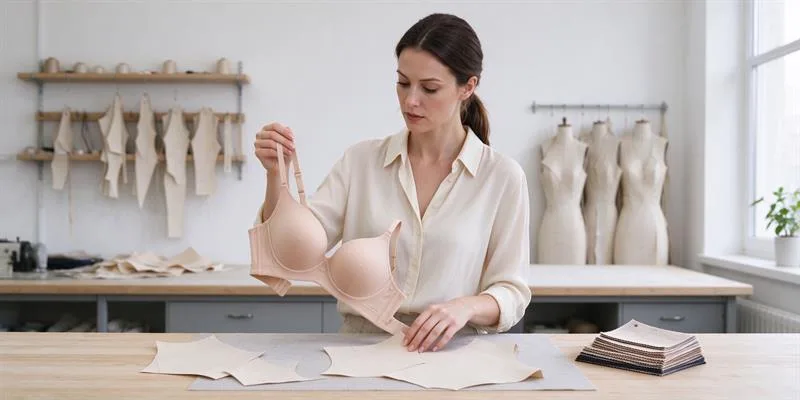
Start with the product type, target wearer, wearing occasion, coverage, support, size range and price position. Decide whether the style is wireless, padded, full coverage, sports, nursing, lace, seamless or a combination of these.
A useful brief also includes reference images, sketches, color direction, logo placement, labels, packaging and intended sales market.
List the features that must be included:
Separate fixed requirements from flexible preferences. This allows the manufacturer to suggest feasible alternatives without changing the core product idea.
Before choosing a factory, ask how it handles design files, patterns, samples, fit comments, revisions, approvals, production references and quality inspections. Also confirm which services are in-house and which are handled by partners.
Starwin describes itself on its website as a lingerie manufacturer offering design, customization and production services. Its catalogue includes bras, panties, lingerie, swimwear and related product categories. Review the custom bra manufacturing service and product catalogue before starting a project conversation.
A sample review should cover fit, construction, materials, color, labels, packaging and appearance. Record comments by size and by component. If the product will be sold in multiple markets, confirm size labels and care information before approval.
Do not approve a bulk order based only on a photo. The approved sample, technical specifications and confirmed materials should form the reference for production.
Discuss minimum order quantity, sample fees, development charges, payment schedule, lead time, shipping, packaging, quality standards, defect handling, confidentiality and design ownership. These terms may vary by product and should not be inferred from a general website statement.
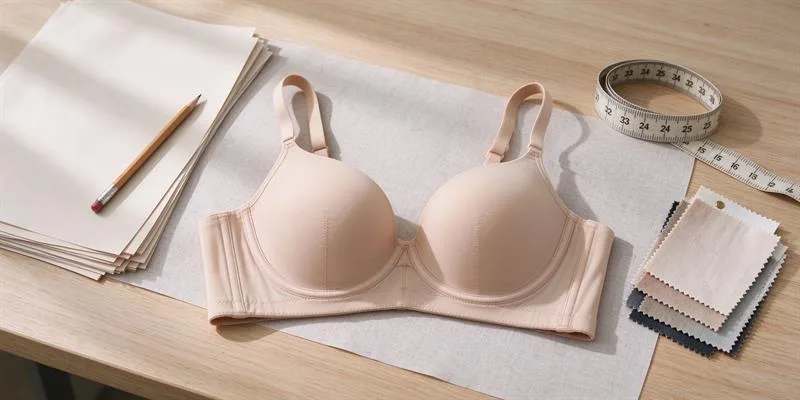
Compare development capability, product fit, communication, sampling, quality procedures, customization scope and confirmed commercial terms.
Private-label may involve an existing product with your branding, while custom bras usually involve changes or development to the product itself. The scope should be defined with the manufacturer.
A tech pack can make communication easier, but the required format depends on the factory and project. If you do not have one, prepare a clear brief with references, measurements and non-negotiable features.
Timing depends on design complexity, materials, sample revisions, size range and production schedule. Ask for a project-specific timeline rather than relying on a generic estimate.
Starwin’s website lists bras, panties, lingerie, swimwear and other related categories, along with customization services. Confirm the current scope, sample process, order quantities and production schedule for the complete collection.

Choosing a custom bra manufacturer is a product-development decision. A clear brief, documented sample approvals and confirmed commercial terms help turn a design idea into a more reliable private-label or wholesale collection.