

A bra is a close-fitting garment designed to cover and support the breasts. Depending on its construction, it may also provide shaping, coverage, modesty, comfort, nursing access or activity-specific support. Bras can be made in many forms, including wired, wireless, padded, unlined, lace, seamless, sports, nursing and full coverage styles.
There is no single bra design for every body or occasion. The right type depends on fit, use, clothing, personal preference and product construction.

The cups cover and shape the bust. They may be molded, cut and sewn, padded, lined, lace or unlined. Cup depth and neckline influence coverage and silhouette.
The band wraps around the body and contributes to stability. Its width, elastic recovery, closure and fit are important to comfort.
Straps connect the cups to the back and help position the garment. They may be fixed or adjustable and can vary in width and placement.
The center front connects the cups. Its height and shape affect separation, coverage and neckline appearance.
Many bras use hooks and eyes, although some styles use a pull-on construction or a front closure. Closure choice affects adjustability and the way the product is put on.
An underwire is a shaped component placed beneath the cups in some bra designs. Wireless bras rely on other elements such as the band, cup, fabric and pattern for support.
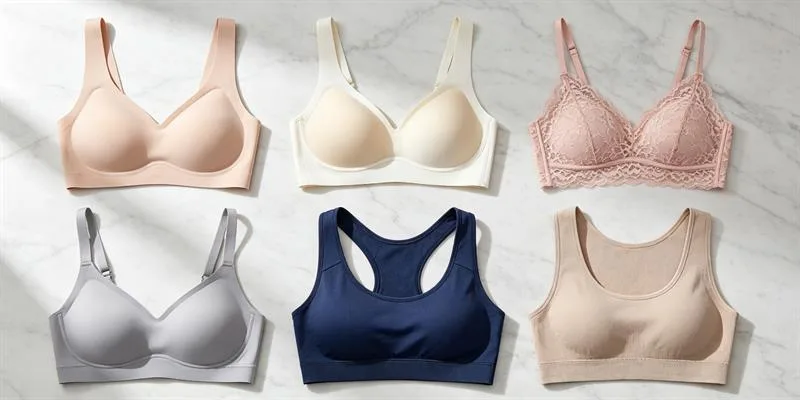
A product may combine several categories. For example, a bra can be wireless, padded and full coverage at the same time.
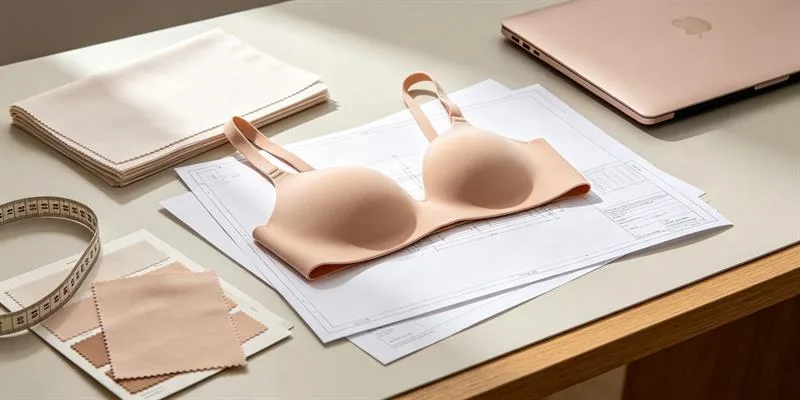
A clear bra definition helps a brand organize its product catalogue. Each product page should explain the construction and intended use in plain language. A buyer should not have to infer whether a product is wireless, padded, full coverage or designed for sports.
Starwin’s bra catalogue includes multiple bra categories, while its custom lingerie manufacturing service supports brands planning customized products. Exact product features, materials and size availability should be confirmed for each design.
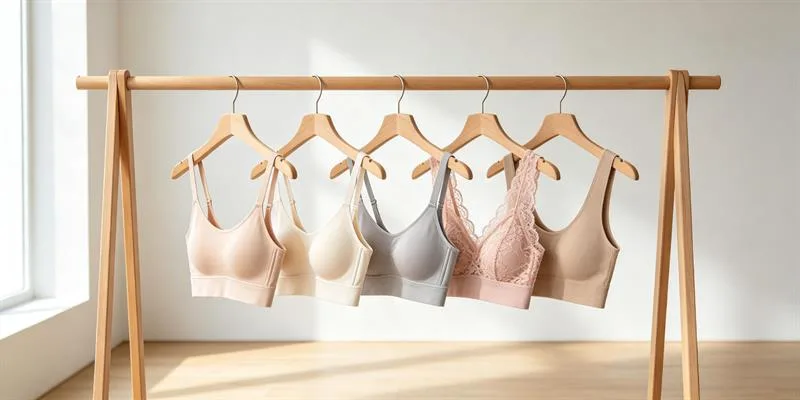
Different bras solve different problems, including coverage, support, shaping, activity, nursing, comfort and styling under specific clothing.
A bralette is often a softer, lighter or less structured style, but the terms can overlap. The actual construction and product description are more useful than the label alone.
A wireless bra is designed without an underwire. Support can come from the band, cups, fabric, straps and pattern.
A padded bra includes padding or an insert that can affect coverage, shaping or opacity.
A full coverage bra is designed to cover more of the bust than lower-cut styles. The exact coverage depends on the pattern and size.
The basic bra definition is simple, but modern bra design is highly varied. Understanding cups, bands, straps, closures and support structures helps buyers choose products and helps brands build clearer collections.