

A women's bra collection should be organized around customer needs, not a random list of silhouettes. A practical assortment may combine everyday bras, lace styles, seamless designs, sports bras, nursing bras, T-shirt bras and plus size options. Each category should have a distinct role, target wearer and product promise.
Starwin’s online catalogue includes these bra categories and supports customized lingerie manufacturing. That makes the site a useful reference point for brands deciding which product families to develop first.
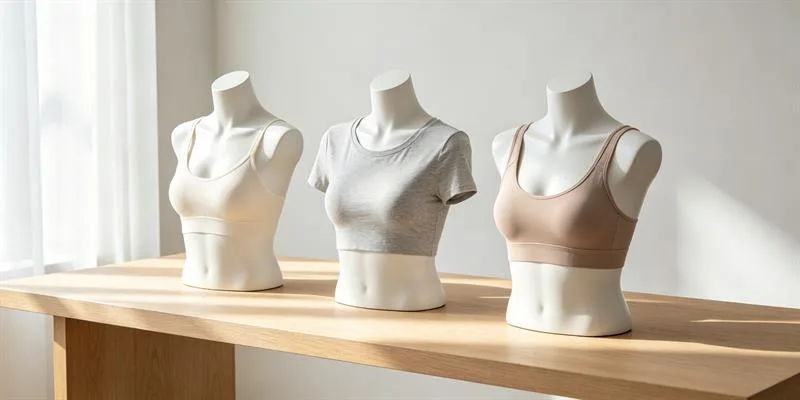
Ask what the customer is trying to do:
These are different search and purchase intents. They should lead to different product pages, content themes and internal links.
This framework helps a brand avoid launching ten products that all serve the same customer problem.
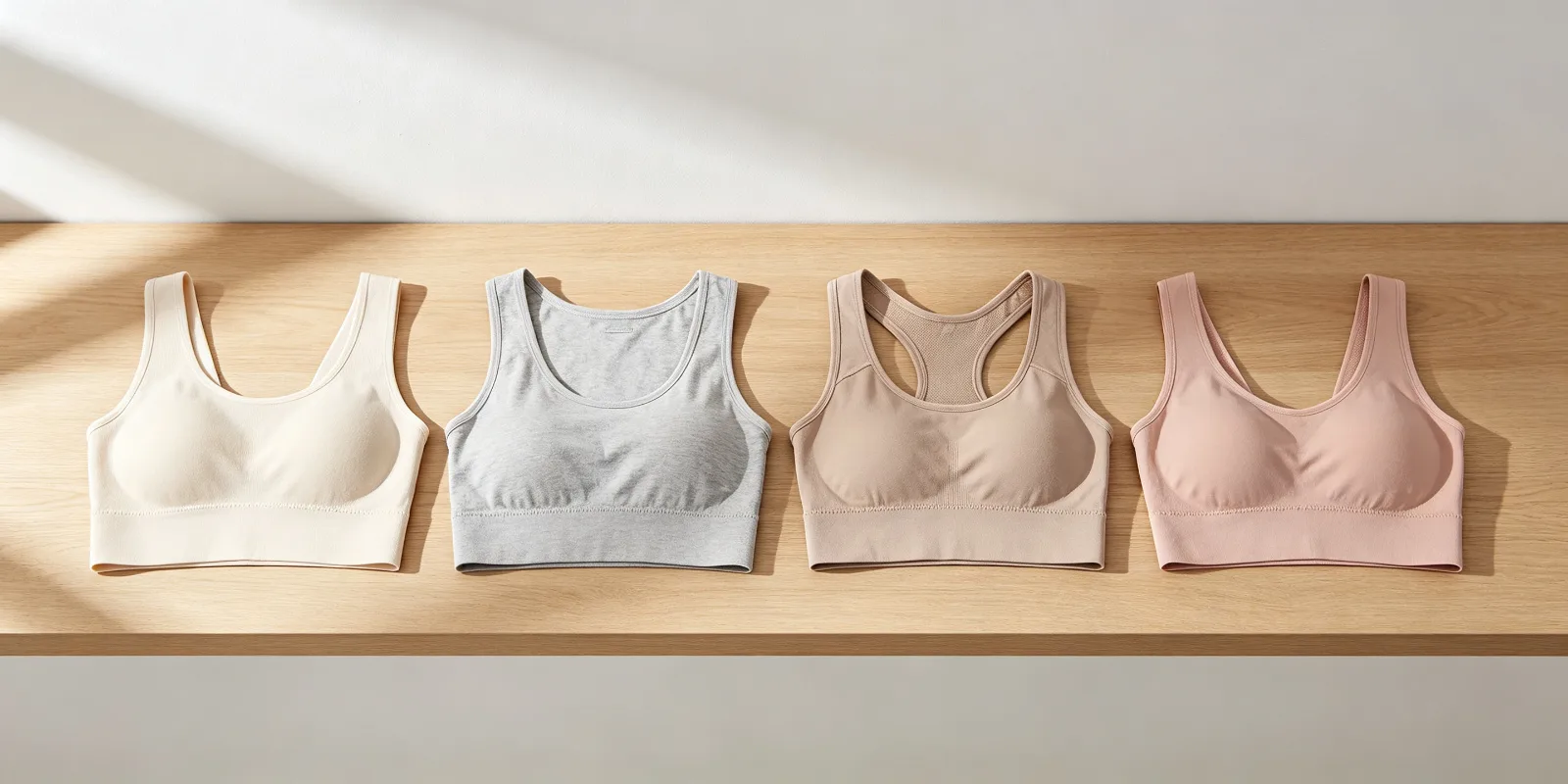
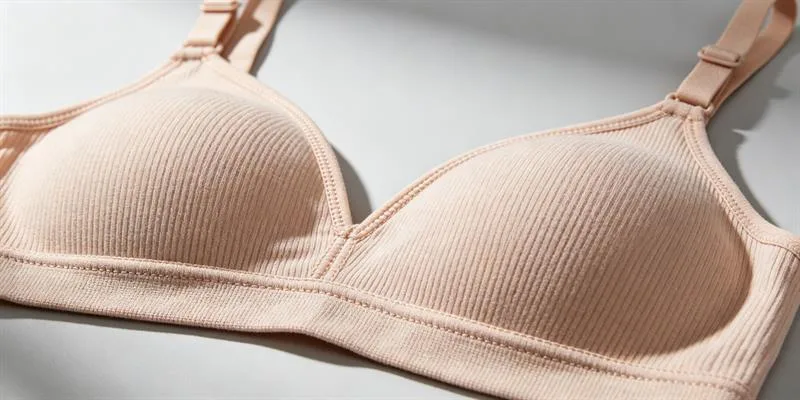
Two women's bras can look similar but provide different experiences. Review cup coverage, padding, seams, fabric hand feel, band width, strap adjustment, closure, neckline and back design. A clear product brief should explain which features are essential and which can change during sampling.
A supplier should also understand the intended market, size system, labeling needs and packaging style. These details affect development and should be discussed before a quotation is treated as final.
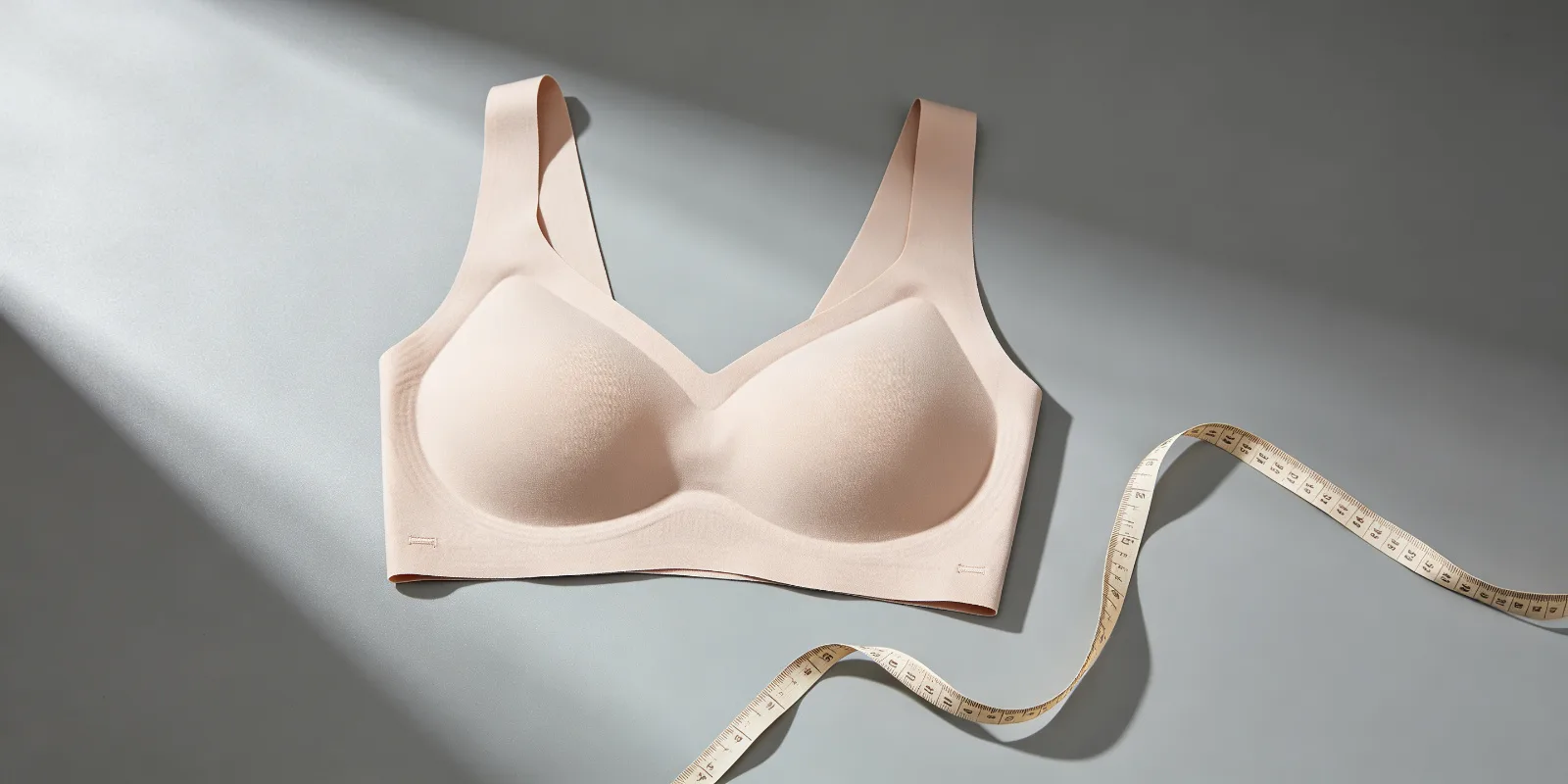
Size range is not a final production detail. It influences pattern development, cup grading, strap placement, elastic requirements and sample approval. If a brand wants to serve different body shapes, it should decide whether one base pattern can be graded effectively or whether separate blocks are needed.
Do not describe a range as “inclusive” without checking how the actual fit performs across sizes. A strong product page should state the available sizes accurately and avoid unsupported fit promises.
Starwin presents itself as a lingerie manufacturer offering custom women's lingerie and bra products, including standard and plus size categories. Brands can browse the women’s bra product catalogue and review custom lingerie manufacturing before preparing a request. Confirm current size, fabric, sample, MOQ and packaging options for each project.
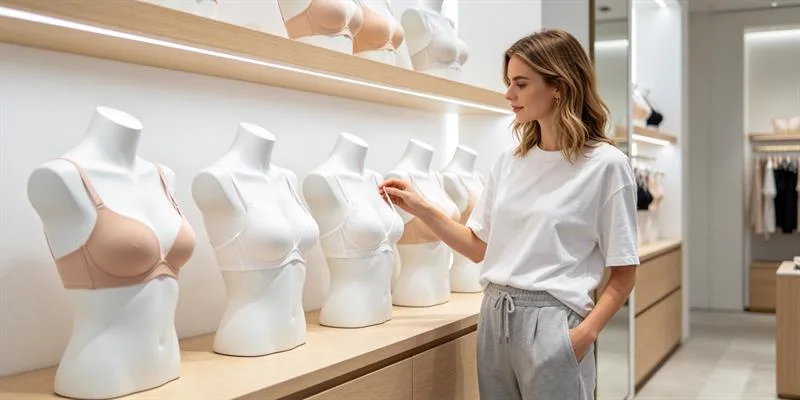
Start with styles that match a clearly defined customer and occasion. Many brands begin with an everyday foundation style, a comfort style and one distinctive fashion or activity product.
There is no universal number. The right size depends on budget, production capability, target market and the need to test fit across colors and sizes.
A supplier may source or distribute products, while a manufacturer produces or develops products. Ask about design ownership, customization, quality control and production responsibility.
Not necessarily. The size range should match the construction, target wearer and validated fit. Decisions should be based on samples and market requirements.
Yes. Starwin’s catalogue includes bras, panties, lingerie sets and other women's underwear categories. Confirm matching colors, materials and development timing with the manufacturer.
A women's bra collection performs better when every style has a clear purpose. Map the customer problem, construction, size range and page intent before production. Then use category pages and supporting articles together so search engines and buyers can understand the range.