

A wireless bra does not use an underwire, but that does not mean it has to be unstructured. Support can come from the band, cup shape, fabric recovery, lining, side panels, straps, neckline and carefully graded pattern. For a brand, the challenge is to create a wire-free bra that feels comfortable while still delivering the silhouette and stability expected by the target customer.
Wireless bra development should therefore begin with the customer and use case. An everyday comfort collection, a nursing range and a fashion bralette may all be wireless, but they should not share the same construction brief.

The band is one of the main support areas. Its width, elasticity, recovery and back closure influence how the garment sits on the body. A wider band may create a different comfort and support experience from a narrow fashion band.
A wireless cup can be soft, molded, lined or lightly padded. Cup depth, side coverage and neckline shape should be reviewed on a real fit sample rather than judged only from a sketch.
Fixed straps may offer a clean appearance, while adjustable straps give the wearer more control. Strap width and attachment points should be evaluated together with the cup and back design.
Side panels, bonded sections or additional layers may help guide the fit. These details should be tested for comfort, movement and appearance under clothing.

| Design factor | Wireless bra | Underwire bra |
| Main support approach | Band, cup, fabric and pattern | Band, cup, underwire and pattern |
| Typical design focus | Flexibility and comfort | Lift, separation and structured shaping |
| Development priority | Stability without a rigid wire | Wire comfort, placement and channel construction |
| Best product strategy | Everyday, lounge, nursing or soft fashion lines | Structured everyday, minimizer or push-up lines |
This table is a planning framework, not a claim that every wearer prefers one construction. Fit testing remains essential.
A useful brief should specify whether the product is intended for everyday wear, sleep, nursing, lounge, light activity or fashion. Add the target size range, desired coverage, cup shape, strap design, closure, padding preference, fabric direction, logo placement and packaging requirements.
Starwin’s website lists wireless nursing bra products as well as a custom bra manufacturing service. Buyers can review the bra product category and custom bra manufacturing page before discussing a project. Product availability, fabric composition, sample timing and order terms should be confirmed directly for each design.
During sampling, ask:
Not always. A bralette is often a lighter, softer style, while a wireless bra can be designed with more coverage, lining, structured panels or support features.
Yes, depending on the cup shape, neckline, side coverage and pattern. Coverage should be defined in the technical brief and verified during fitting.
They can be, but the design needs careful attention to band stability, cup depth, straps, side support, fabric recovery and grading. The size range should be tested with real samples.
Materials vary by design. A manufacturer should confirm the exact composition, stretch direction, lining, elastic and care requirements for the proposed product.
Many customization projects can include design, materials, colors, labels and packaging. Confirm the factory’s current capabilities and project requirements before ordering.
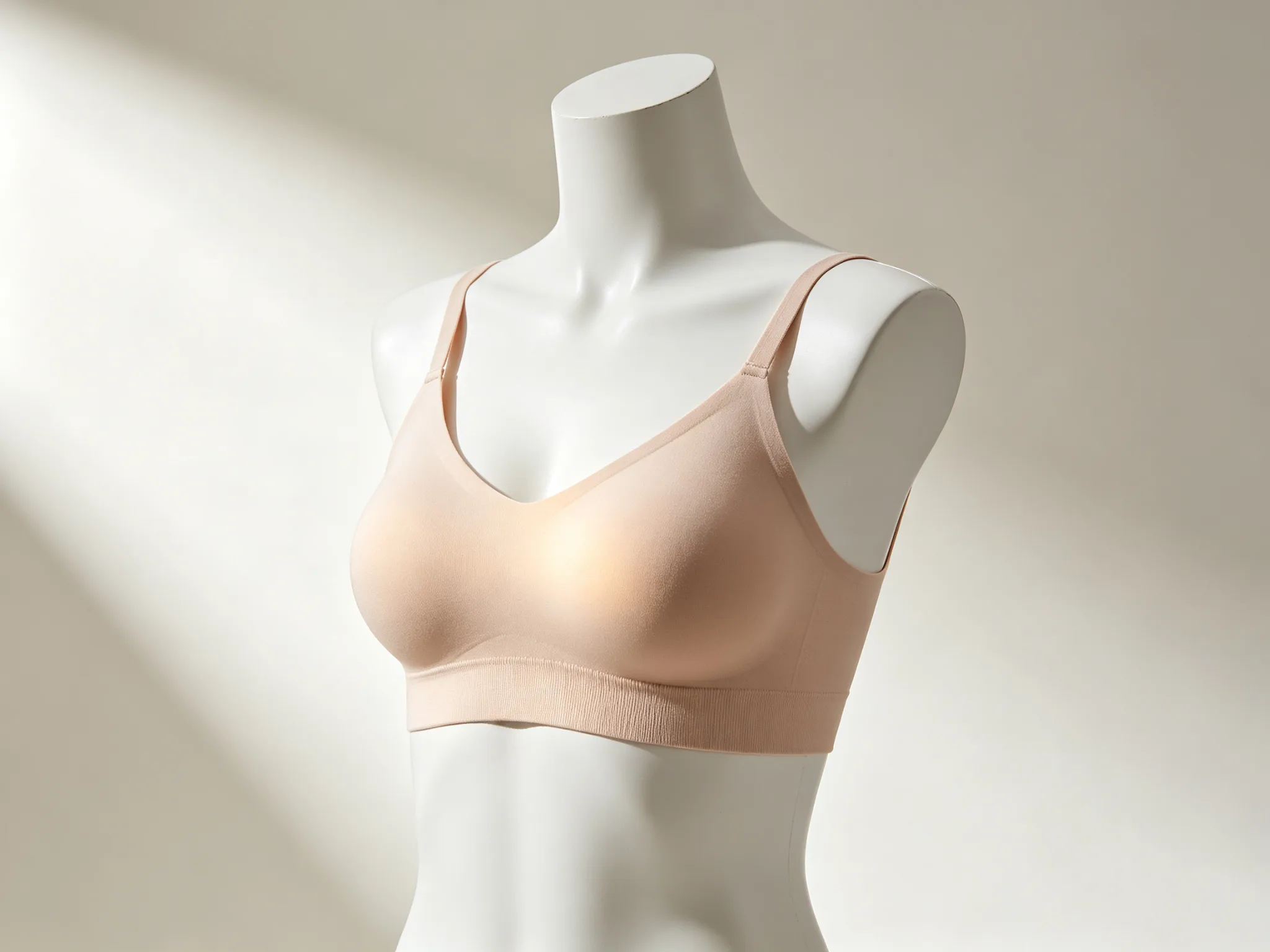
A successful wireless bra is engineered for comfort and support rather than simply removing the underwire. Define the wearer, use case and fit target first, then work with a manufacturer to validate construction through sampling. Starwin’s customization service can be a starting point for brands planning a wire-free collection.