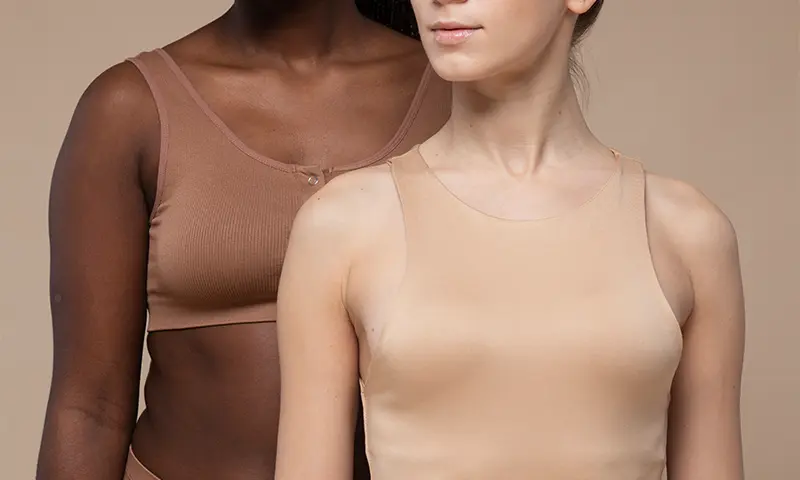
In recent years, lingerie structural design has witnessed multiple groundbreaking innovations. A major trend is wireless, underwire-free support. Modern wireless bras achieve sufficient lift and contouring through wide, thick ribbed bands, reinforced fabrics, and multi-layered construction, providing excellent support without traditional underwires. For instance, sports bras are now leveraging 3D printing to construct support frameworks: Nike's FlyWeb sports bra employs a single layer of TPU material to print a variable-density mesh structure—thickening where reinforcement is needed and creating openings for breathability. Seamless and padding-free, it delivers exceptional, “invisible” support. Such 3D-knit or 3D-printed designs will see broader adoption, offering women custom-fit comfort while eliminating pressure points from traditional seams.
Additionally, removable modular designs are gaining traction. Bra Lab pioneered the “side-clasp interchangeable” system: separating cups, back closures, and straps into interchangeable components. A single cup can be mixed and matched with different back panels and straps, achieving “one bra, multiple styles.” This design eliminates the bulkiness of traditional back hooks. Users can simply adjust styles, change outfits, or wash the bra with a side clasp, significantly enhancing flexibility and comfort.
Smart features also drive structural innovation. Some sports bras now integrate heart rate sensors or conductive fabrics that sync data with fitness apps. Brands have even launched “smart bras” with ECG monitoring, featuring flexible electrodes to track heart rhythms and support cardiovascular health tracking. These tech bras extend undergarments beyond basic wear into health monitoring devices, signaling the future convergence of structural design and electronics.
Fabric and Material Innovation
Fabric innovation represents another major direction in contemporary lingerie development. Temperature-regulating functional fabrics are entering the lingerie sector. For instance, ThirdLove's TempSync series of sports bras and leggings utilizes 37.5® technology—a fabric incorporating natural minerals into its fibers that actively balances body temperature and inhibits perspiration, keeping wearers dry and comfortable during workouts or daily activities. Similarly, thermo-responsive fiber technologies like HeiQ Smart Temp can be integrated into undergarments, enabling fabrics to self-regulate cooling or warmth based on body temperature to adapt to varying environments. Additionally, solutions like Outlast microcapsule temperature control technology, originally developed for home textiles, hold promise for future application in premium intimate apparel. This technology reduces perspiration, allowing users to maintain a constant “cool balance.”
The wave of sustainable materials is also impacting underwear. Increasingly, brands are utilizing recycled fibers—such as recycled polyester and nylon (commonly seen in Econyl recycled nylon)—effectively repurposing recycled plastics and fishing nets. This approach preserves elasticity and durability while reducing environmental footprint. Innovations in natural fibers also merit attention: bamboo fiber, modal, and organic cotton are blended into low-impact undergarments to enhance skin-friendliness. Coffee yarns offer deodorizing and antibacterial properties, while graphene fibers deliver thermal conductivity or antimicrobial benefits. These new fabrics meet consumer demands for “green health” without compromising performance.
Additionally, seamless knitting technology is gaining widespread adoption. By knitting bras or panties in one continuous piece on high-precision circular knitting machines, traditional seams and friction points are eliminated, delivering a second-skin comfort experience. In activewear collections, many styles feature seamless or heat-sealed constructions. Whether high-impact supportive cups or lightweight base layers, no visible seams ensure a smooth appearance and lightweight comfort.
Functional Enhancements
Functionality remains a core focus in lingerie design. Sports compatibility takes precedence: modern athletic bras excel in breathability and moisture-wicking. High-tech functional fabrics—like quick-dry polyester blends—incorporate moisture-wicking fibers, laser-cut ventilation holes, or mesh panels to rapidly evaporate sweat. During daily or intense workouts, some fabrics activate cooling functions based on temperature to maintain dryness. Simultaneously, sports bras continually improve support and comfort: reinforced elastic bands, adjustable straps, and multi-hook back closures ensure users of varying body types and support needs can find suitable styles.
Nursing accessibility remains a key design focus. Professional nursing bras typically feature one-handed snap-front closures, allowing users to pull down cups for feeding with a simple click while maintaining secure coverage. Brands like Boob Design craft nursing bras from sustainable materials, emphasizing “smart and easy-to-use breast access.” They often utilize soft, underwire-free fabrics like elastic mesh or modal blends to accommodate breast size changes during pregnancy and lactation. Some maternity and nursing bras also offer shaping and supportive features, with adjustable underbands that adapt to the changing silhouette of expectant mothers.
Functional underwear designs are also expanding for chronic conditions and post-surgical recovery. For instance, post-mastectomy bras use soft stretch fabrics with prosthesis pockets to support breast forms while minimizing pressure on surgical sites. Lymphoedema compression bras feature fabrics with uniform pressure levels to aid lymphatic circulation. Furthermore, integrating health monitoring into undergarments is gaining significant attention. As mentioned earlier, features like built-in ECG monitoring can assist individuals with chronic conditions such as heart disease or hypertension in managing their daily health. Overall, designers are striving to make undergarments serve dual roles as both a “second skin” and a “health assistant.”
Visual and Aesthetic Innovation
Visually, lingerie design is embracing diversity and fashion-forwardness. A major trend involves wearing undergarments as outerwear. The traditional practice of concealing lingerie beneath shirts or sweaters is shifting, with brands boldly showcasing bra-and-outerwear combinations at fashion weeks and street style events. For instance, clean-cut sports bra-style tops are mixed and matched with blazers, denim shorts, or tulle skirts, transforming the bra itself into a fashionable “top” element. This “underwear-as-outerwear” style emphasizes confidence and vitality, reflecting the crossover fusion of fitness culture and urban living.
Aesthetically, distinctive patterns, lace cutouts, and geometric cuts are frequently employed to elevate fashion appeal. Retro prints, lustrous fabrics, or sequin embellishments feature prominently in sensual collections, while minimalist solid colors or delicate straps remain highly appealing to those favoring simplicity.
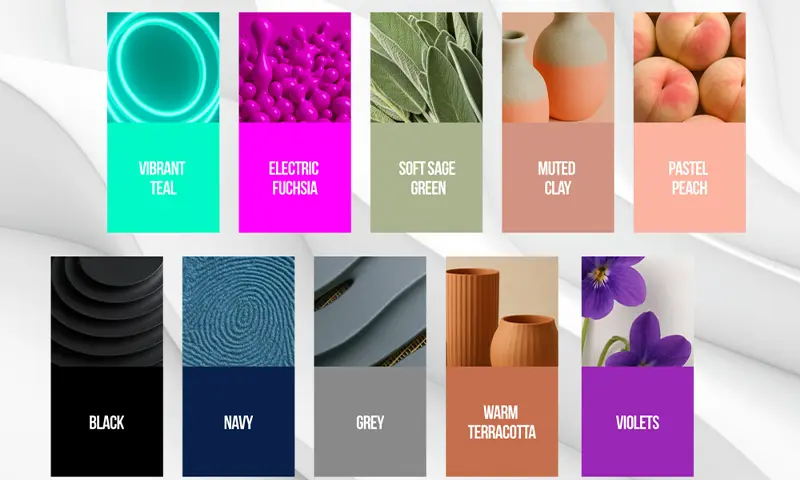
As shown in the illustration, the Spring/Summer 2026 color palette features vibrant hues like electric teal, vivid magenta, soft gray-blue, and earthy tones. These bold or understated shades allow bras and panties to effortlessly complement any outfit, expressing individuality whether for everyday wear or special occasions.
Another key trend is gender-neutral design. Increasingly, brands are moving beyond traditional male/female distinctions, creating underwear for diverse body types and gender identities. For instance, TomboyX offers styles like boxer briefs, compression bras, and soft camisoles in menswear-inspired cuts, catering to transgender and non-binary individuals; Established brands like Cosabella have introduced “gender-neutral” lace collections suitable for any body shape. Additionally, brands such as CantiqLA offer specialized “genderfluid” sizing, providing tailored solutions for consumers requiring extra front-rise space. This inclusive design philosophy reflects underwear's growing acceptance of diverse gender identities and body types, empowering more people to find comfortable and confident options.
Representative Brands and Designer Examples
These trends are evident in products from pioneering brands and designers. Savage X Fenty (founded by Rihanna) is renowned for its bold designs and extensive sizing range, offering styles from flat-chested to plus sizes (up to L, XL, etc.). By featuring models of diverse skin tones, ages, and body types in its runway shows and advertisements, it has set a new benchmark for inclusive sensuality. Chromat designer Becca McCharen-Tran also centers inclusivity, blending athletic elements with sensual cuts. The brand offers vibrant bra sets featuring cutouts and sportswear details, promoting a fashion philosophy that celebrates “athletic style and confidence” across diverse body types. CUUP champions a “modern minimalist” aesthetic, pledging no padding or fillers while prioritizing comfort and fit. Each lingerie piece offers up to 40 sizes (from A to H cups), disrupting traditional sizing systems and earning acclaim from many women.
Another example is the functionality-focused Forme lingerie, which positions posture correction as its selling point, claiming its bust support design helps users maintain a naturally upright sitting and standing posture (though the specific mechanism is open to debate). Sheertex leads the trend from a material innovation perspective: the company invented ultra-durable stockings featuring “tear-resistant” weaving technology, with products boasting over ten times the durability of ordinary stockings. The practices of these brands and designers demonstrate that innovation extends beyond singular technologies or concepts, instead driving lingerie industry transformation through multidimensional approaches encompassing structure, fabric, functionality, and aesthetics.
In summary, contemporary lingerie design is breaking free from traditional constraints across multiple fronts, balancing comfort, functionality, and beauty. Technologies like wireless construction, 3D printing, smart materials, and modular detachable components are revolutionizing lingerie structure; thermoregulating fabrics, eco-friendly recycled fibers, and seamless knitting drive material innovation; functional upgrades like sports compatibility, breastfeeding convenience, and health monitoring expand usage scenarios; while diverse aesthetic trends—whether outerwear-inspired styles or gender-inclusive designs—enhance lingerie's fashion appeal and inclusivity. Collectively, these innovations are shaping a more professional, comfortable, and personalized lingerie era.