Elegant and delicate lingerie is not only a basic wardrobe item but also a small luxury that enhances the quality of daily life. Lingerie fabrics are often soft and delicate, such as lace, silk, and sheer materials, which means they require special care when stored.
Proper storage not only extends the lifespan of your lingerie but also makes it easier to choose what to wear each morning. This article will explain how to store lingerie from several perspectives, including classification, storage space layout, practical organizing techniques, and maintenance details.
1. Lingerie Classification: From Basic to Detailed
The first step is to sort and inventory all your lingerie systematically. Before organizing, you should clearly identify different types of items.
Daily wear lingerie; Functional lingerie (such as sports bras or shaping lingerie); Lace and decorative lingerie; Special occasion lingerie (such as strapless or dress bras); Sleepwear or home lingerie.
During the sorting process, check whether any pieces are old, deformed, or no longer suitable in size or style. Removing items that are no longer used helps create more space for better organization.
After classification, you can also prioritize by wearing frequency. Place frequently worn items in the most accessible position, while rarely worn items can be stored further back or higher up.
2. Choose the Right Storage Space
Lingerie storage space can be customized based on your wardrobe structure and lifestyle.
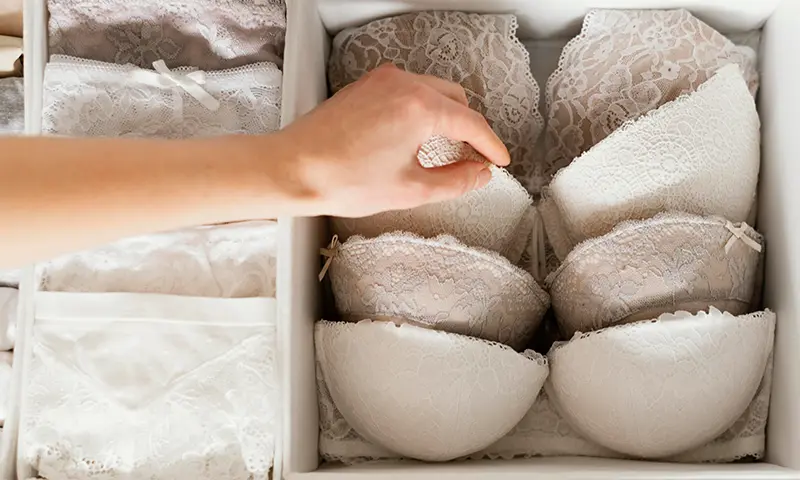
1. Drawer Storage Drawers are the most common and convenient storage method. If the drawer is deep, you can add compartment organizers, soft storage boxes, or adjustable dividers.
Place different types of lingerie in separate compartments to avoid clutter. For example, you can store everyday bras in the first compartment, lace or delicate lingerie in the second, wireless or lightweight lingerie in the third, and functional lingerie in the fourth.
This compartmentalized management allows each piece of lingerie to have a fixed storage position, preventing items from squeezing against each other.
2. Storage Boxes and Transparent Containers Transparent storage boxes allow you to see the contents at a glance, saving searching time. Large storage boxes are suitable for daily bras, underwear, and lace sets.
It is recommended to choose breathable materials or boxes with ventilation holes to prevent moisture accumulation.
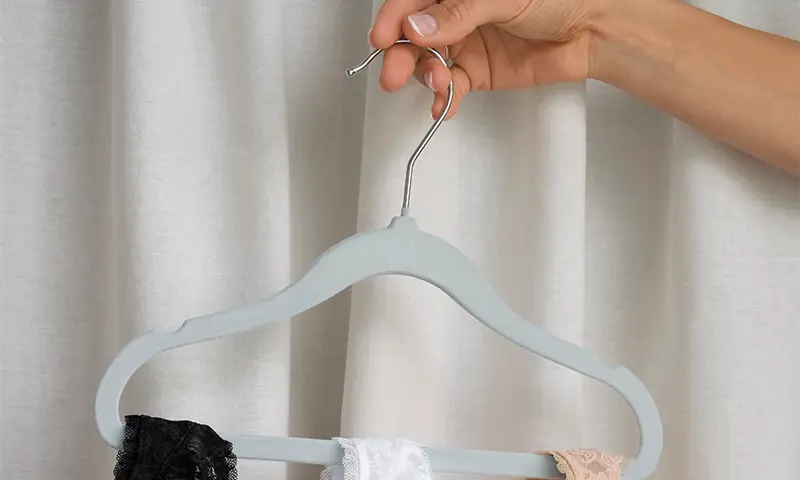
3. Hanging Storage Solutions For specially shaped lingerie such as bandeau or tank-style lingerie, you can use hanging storage bags, multi-hook racks, or dedicated lingerie fabric bags.
This helps prevent stretching and pressure marks.
3. How Should Lingerie Be Folded?
Folding lingerie is not simply about stacking items; it is also a form of protection.
1. Bra Folding Method Underwire bras are most prone to deformation, so avoid pressing them together. A recommended method is to align the cups inward, gently nesting one cup inside another, and arranging them neatly according to color or style.
This saves space while maintaining the natural cup shape.
2. Wireless and Lightweight Lingerie Wireless lingerie is softer and more flexible. You can either fold it flat or roll it gently and place it inside drawer compartments.
Rolling helps save space while reducing edge wrinkles, but avoid rolling too tightly.
3. Underwear Folding Method Underwear folding is relatively flexible. You can fold both sides inward and then fold them into small squares, or lay them flat at the bottom of the drawer, arranging them by color or material.
4. Zoning Strategy: Make Finding Lingerie Faster
Storing different types of lingerie in fixed zones can save daily searching time.
You can divide storage areas by purpose. For example, the daily zone can hold cotton bras and comfortable styles; the elegance zone can store lace and decorative lingerie; the functional zone can store sports and shaping lingerie; and the seasonal zone can store warm winter styles or breathable summer items.
Such a layout helps with quick access and long-term maintenance of neatness.
5. Material Matters: Treat Different Fabrics Differently
Different lingerie materials require different storage environments.
Lace and Silk Materials Delicate materials are easily snagged, deformed, or wrinkled. When storing, avoid pressing them strongly. It is best to place them in soft compartments, keep them away from zippers or buttoned clothing, and use dust covers or breathable cotton bags if possible.
Functional and Sports Lingerie These items are usually made of elastic and moisture-wicking materials. They can be rolled for storage and placed near the edge of the wardrobe where they are easier to reach. You can also categorize them by activity type, such as running or yoga.
6. Develop Good Storage Habits
Lingerie storage is a continuous task, and the following habits are worth developing.
1. Process Lingerie Immediately After Washing Do not leave washed lingerie randomly on chairs or in laundry baskets. Instead, dry them slightly and put them back into drawers or storage boxes.
This helps extend their lifespan and keeps them clean and odor-free.
2. Regular Inspection and Decluttering It is recommended to check your lingerie every one to two months to see which pieces are no longer frequently worn, which are deformed or stretched, and which have faded or been damaged.
Discarding old lingerie in time can significantly improve storage efficiency.
3. Avoid Placing Heavy Items on Top Lingerie, especially underwire or decorative lace lingerie, should not be compressed under heavy clothing for long periods. This may cause cup deformation, wire distortion, or lace damage.
7. Small Details That Improve Storage Quality
1. Use Labels You can label drawers with categories such as “Daily Lingerie,” “Lace and Thin Straps,” “Wireless,” or “Functional.”
Labels help you find items quickly, especially when drawers are deep or contain many items.
2. Control Temperature and Humidity Lingerie prefers a dry and well-ventilated environment. Avoid high humidity, stuffiness, or insect infestation.
You can place small packets of desiccant, such as silica gel bags, in drawer corners.
3. Travel Storage When traveling, it is recommended to prepare travel lingerie storage bags or transparent toiletry bags and pack them by outfit or day.
This helps prevent clutter and protects delicate fabrics.
8. Frequently Asked Questions
Q1: Can bras be stacked together? A1: Yes, but be mindful of the stacking order to prevent underwires from pressing against each other and deforming.
Q2: Can underwear develop odors? A2: If stored long-term in damp or poorly ventilated spaces, odors may occur. We recommend using dry sachets or ensuring proper ventilation.
Q3: Should lace underwear be stored separately? A3: It's best to store them separately to avoid contact with rough materials (denim, zippered garments).
Conclusion
An efficient and aesthetically pleasing lingerie storage system not only helps you live more comfortably but also extends the lifespan of your lingerie.
The key is to classify items reasonably, choose appropriate storage space, pay attention to fabric differences, and maintain good daily habits.
Regardless of wardrobe size, as long as you organize and structure your storage properly, every piece of lingerie can be well protected, allowing elegance and quality to start from the inside.