In the lingerie industry, design is never just about aesthetics. It represents identity, emotion, and values. Brands that position themselves as creative and artistic are often judged not only by how their products look, but by how those designs are created. This is why Thistle and Spire’s recent use of AI-generated imagery in its design process has sparked significant discussion.
The controversy is not simply about technology. It is about whether a design-led lingerie brand can maintain authenticity while relying on artificial intelligence for creative output.
A Brand Built on Artistic Identity
Thistle and Spire has long been recognized for its bold, gothic-inspired aesthetic and strong visual storytelling. Its designs often reference mythology, symbolism, and dark romanticism, creating a distinctive brand identity that resonates with a niche but loyal audience.
Because of this positioning, consumers expect a high level of human involvement in the creative process. When the brand confirmed that AI-generated imagery was used in a recent collection, many customers felt that a fundamental boundary had been crossed.
To them, AI did not represent innovation—it represented detachment.
Why AI Design Feels Different
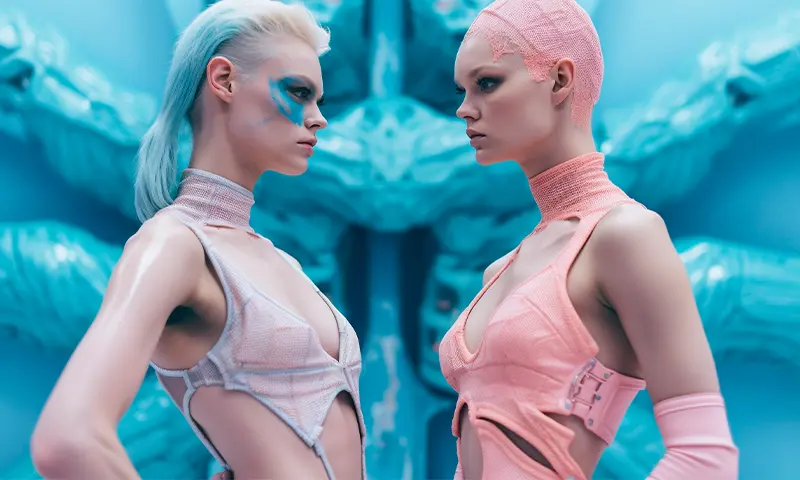
AI-generated visuals can be complex, dramatic, and technically impressive. However, complexity alone does not equal quality. In fashion—especially lingerie—design must account for fabric behavior, body movement, construction, and emotional impact.
AI lacks lived experience. It does not understand how a garment feels against the skin or how symbolism resonates with personal identity. As a result, AI-generated designs often feel visually crowded, inconsistent, or emotionally flat.
Many consumers described the designs not as “experimental,” but as “generic” or “unfinished,” suggesting that AI struggled to replicate the intentionality that defined Thistle and Spire’s earlier work.
Aesthetic Criticism Beyond Ethics
Interestingly, not all criticism focused on ethical concerns. A significant portion of feedback was purely aesthetic. Some customers simply did not like how the designs looked.
This highlights an important truth: AI does not guarantee better design outcomes. In fact, when brand identity relies heavily on a specific visual language, AI can dilute rather than enhance it.
For consumers, disappointment stemmed from a mismatch between expectation and execution—not just from ideological opposition to AI.
The Value of Creative Labor
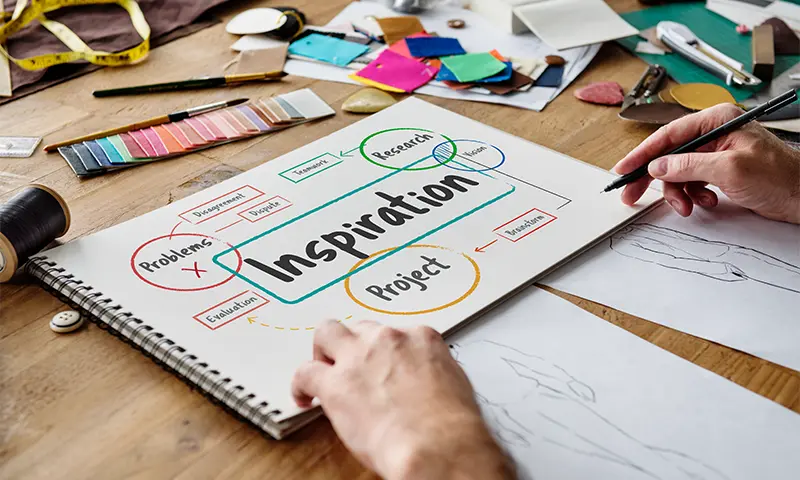
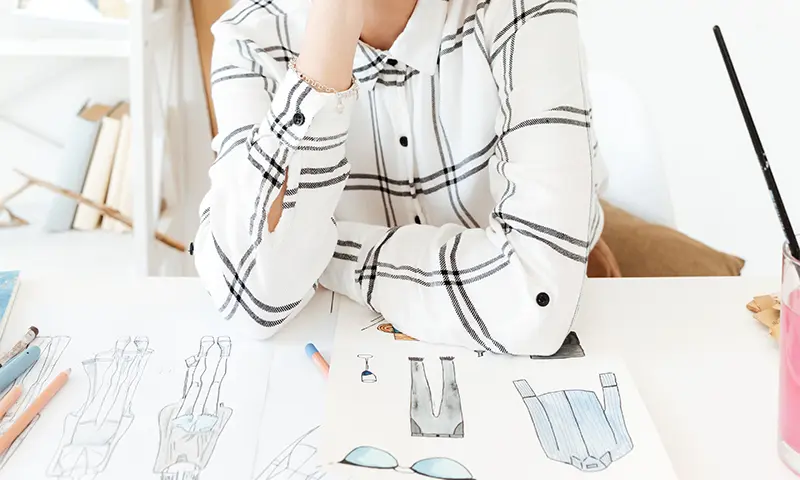
At the heart of the debate lies the question of creative labor. Traditional lingerie design involves sketching, revision, textile testing, and structural refinement. It is a slow, intentional process rooted in human judgment.
AI disrupts this process by accelerating image generation while removing much of the tactile and emotional decision-making. For designers, this raises concerns about authorship and professional value. For consumers, it raises doubts about authenticity.
If creativity becomes automated, what distinguishes one brand from another?
Brand Response and Consumer Trust
In response to criticism, Thistle and Spire stated that it would no longer use generative AI in its design process. While this helped ease some concerns, it did not eliminate all skepticism.
Transparency matters, but so does intent. Consumers want to understand why AI was used in the first place. Without clear communication, even well-intentioned decisions can appear purely cost-driven.
Once trust is questioned, brands must work harder to reaffirm their commitment to creative integrity.
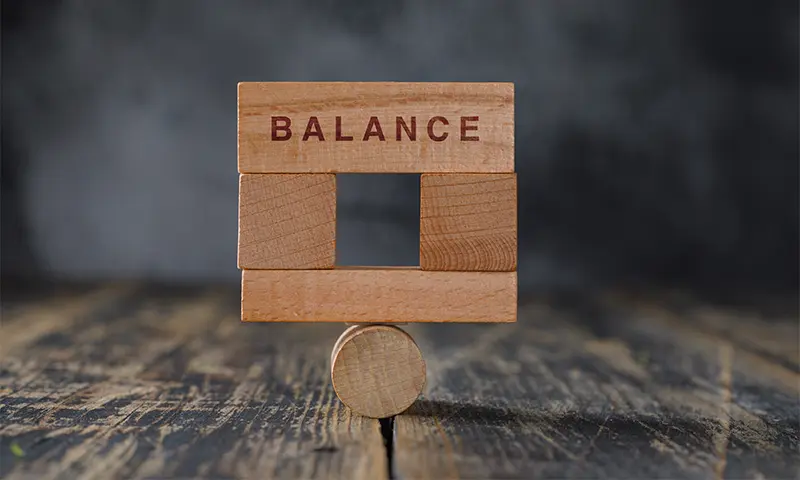
Finding the Right Balance
AI is not inherently incompatible with fashion design. When used responsibly, it can assist with research, trend analysis, or early concept exploration. Problems arise when AI replaces rather than supports human creativity.
In an industry as personal as lingerie, maintaining a strong human presence in design is essential. Customers are not just buying garments—they are buying meaning.
Conclusion
The Thistle and Spire controversy illustrates a broader tension within creative industries. As AI becomes more powerful, brands must decide what role it should play—and what role it should never replace.
Innovation should not come at the expense of authenticity. For design-driven lingerie brands, preserving human intention may be the most important design choice of all.